
How to Read Skeletal Formulas and Write Condensed Formulas
Learn how to identify hidden carbon atoms in skeletal formulas and convert organic structures into condensed structural formulas. Follow step-by-step examples covering straight chains, branches, double bonds and alcohols, with practice questions and solutions.
When you see a skeletal formula like a zig-zag line, your brain probably wants to count the visible carbon symbols. The problem is that organic chemistry hides most of them.
Look at this structure:
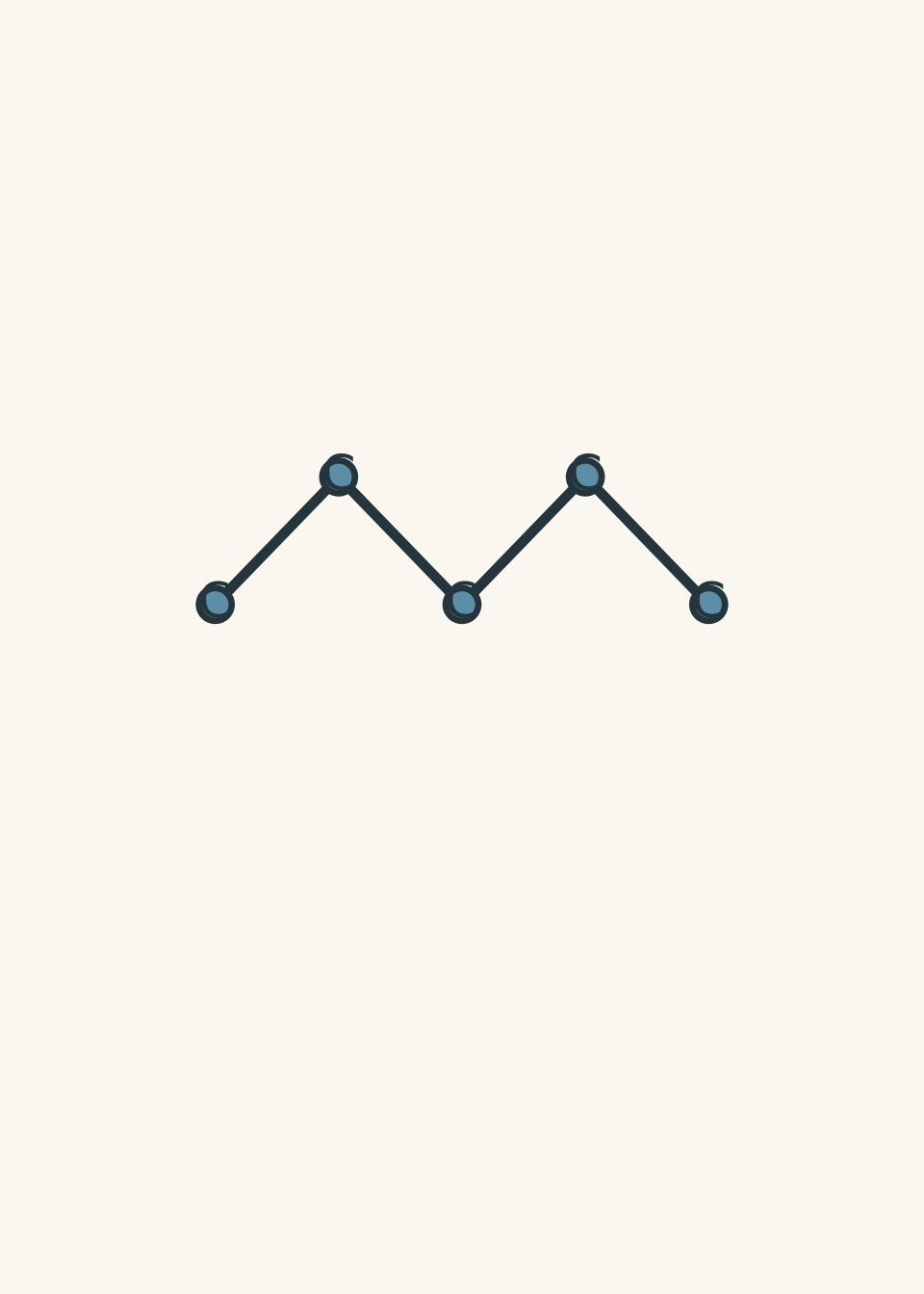
A student might predict: “There are only three carbons because I can only see three marks.” That feels reasonable, but the drawing is not showing every atom. It is a shortcut.
The decision you need when reading a skeletal formula is:
Count every unlabeled line end and corner as a carbon, then add enough hydrogens to give each carbon four bonds.
That single rule solves most skeletal formula questions. The rest is about knowing when the rule changes.
01The quick decision rule
When converting a skeletal formula into a condensed structural formula:
- Find every carbon position:
- every unlabeled line end = one carbon
- every unlabeled corner where lines meet = one carbon
- every junction where three or more lines meet = one carbon
- Count the bonds around each carbon.
- Add enough hydrogen atoms so each carbon has four total bonds.
- Write the condensed structure by grouping the hydrogens attached to each carbon.
A few important limits:
- A labelled atom such as O, N, Cl, or Br is not a carbon.
- Hydrogens attached to carbon are usually hidden.
- Hydrogens attached to other atoms are often shown because they affect the molecule’s behaviour. For example, the hydrogen in an alcohol group \(-OH\) is normally written.
- Carbon does not always have four single bonds. A double bond counts as two bonds, and a triple bond counts as three.
02Why do chemists hide atoms?
Organic molecules can become huge. Writing every carbon and hydrogen in a molecule with 20, 30, or 50 carbon atoms would make structures almost unreadable.
The skeletal formula is like a map.
A road map does not write “road” beside every street. It uses a convention that experienced readers understand. In the same way, organic chemists use lines to represent carbon frameworks.
The analogy is useful, but it has a limit. A road map can leave out details like trees and buildings because they are not part of the map’s purpose. A skeletal formula cannot leave out atoms randomly. The missing atoms follow strict rules.
03Building the carbon skeleton
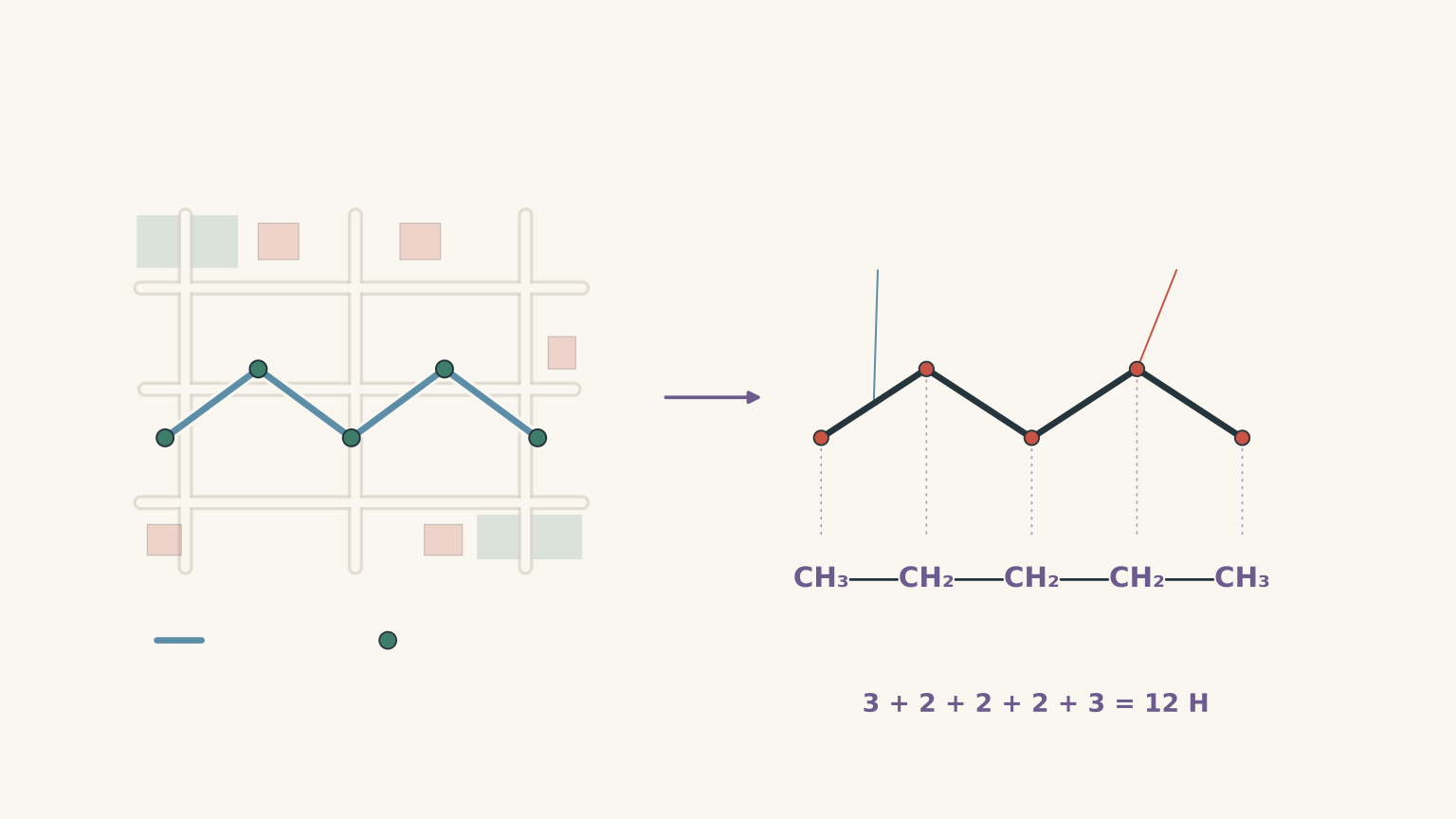
Consider a simple zig-zag line.
Each bend is a carbon. Each end is also a carbon.
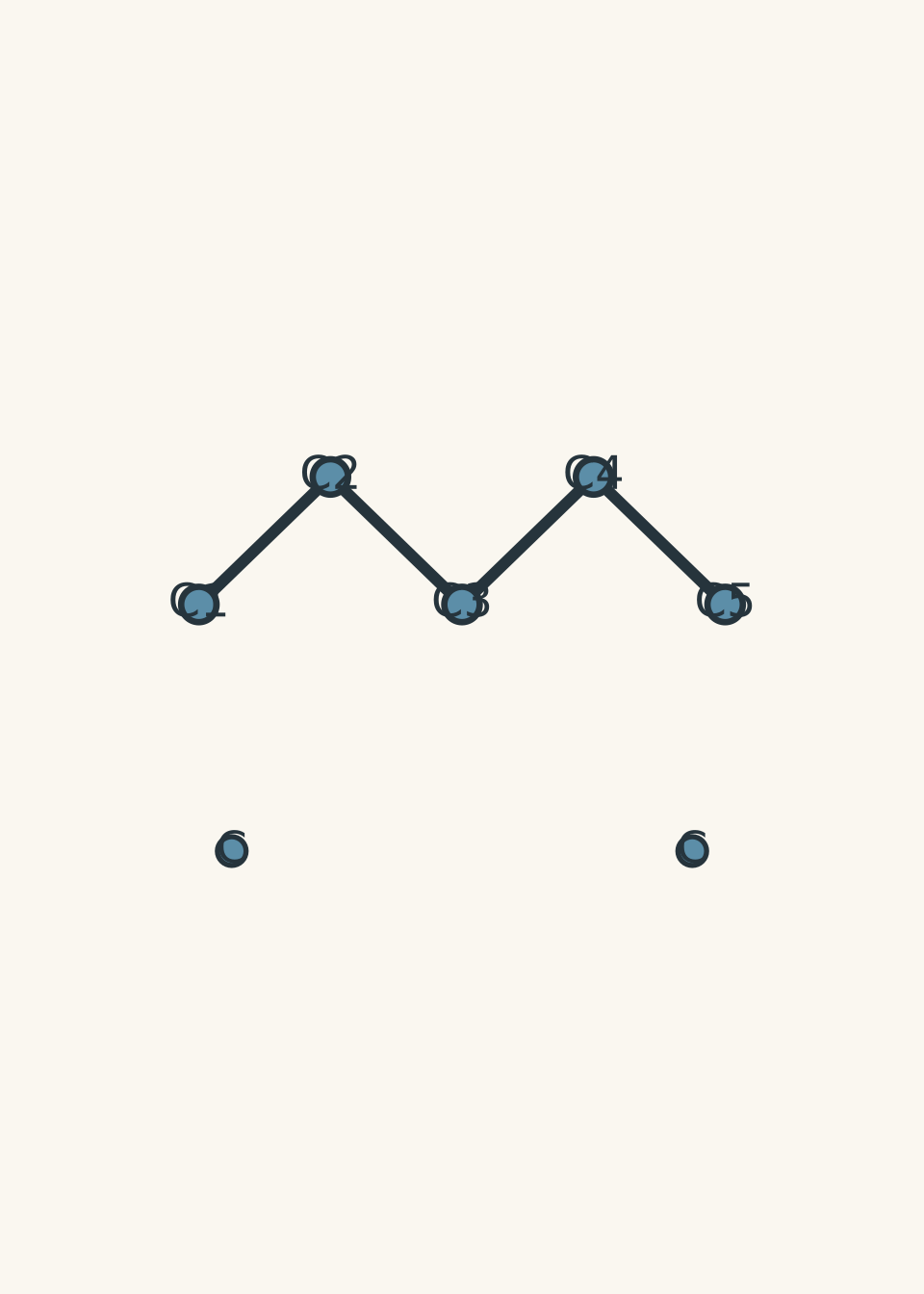
Suppose we have this chain:
\[ \text{five carbon positions in a straight chain} \]
The condensed structural formula is:
\[ \ce{CH3CH2CH2CH2CH3} \]
This molecule is pentane.
Notice the pattern:
- The two end carbons each have three hydrogens: \(\ce{CH3}\)
- The three middle carbons each have two hydrogens: \(\ce{CH2}\)
The carbon skeleton tells you the carbon-carbon connections. Carbon valency tells you the hidden hydrogens.
04Carbon valency: the hydrogen counting rule
Carbon has a valency of four. That means each carbon atom forms four bonds in total.
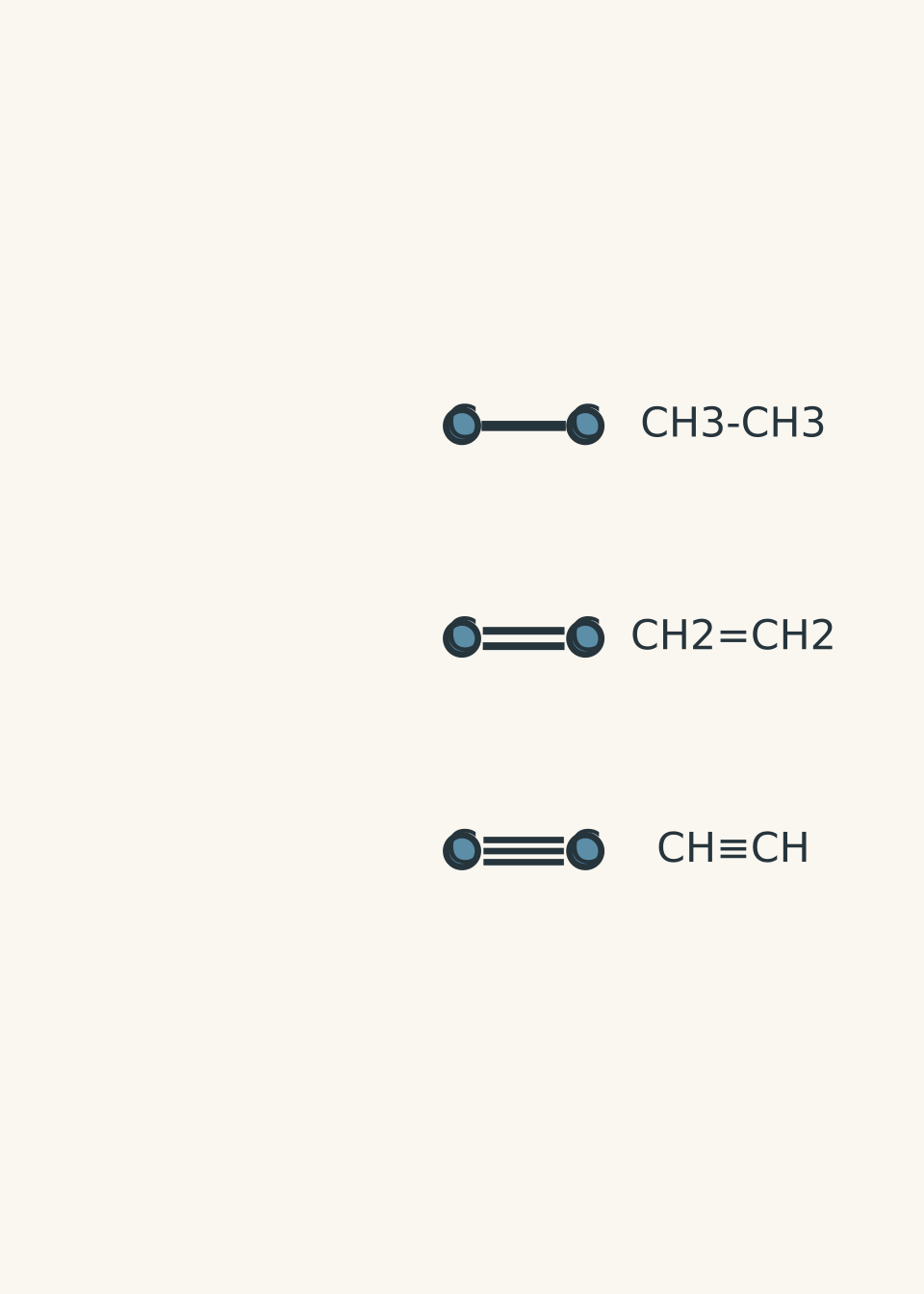
For a single bond:
\[ \ce{C-C} \]
each carbon uses one bond, leaving three possible bonds for hydrogen if it is at the end of a chain.
For a middle carbon:
\[ \ce{-C-C-C-} \]
the middle carbon already has two carbon bonds, leaving two hydrogen positions.
For a carbon in a double bond:
\[ \ce{C=C} \]
the double bond uses two of carbon’s four bonds.
05Converting common skeletal structures
The best way to improve is not memorising shapes. It is training your eye to translate:
skeletal formula → carbon framework → bond count → condensed formula
Worked example: straight-chain alkane
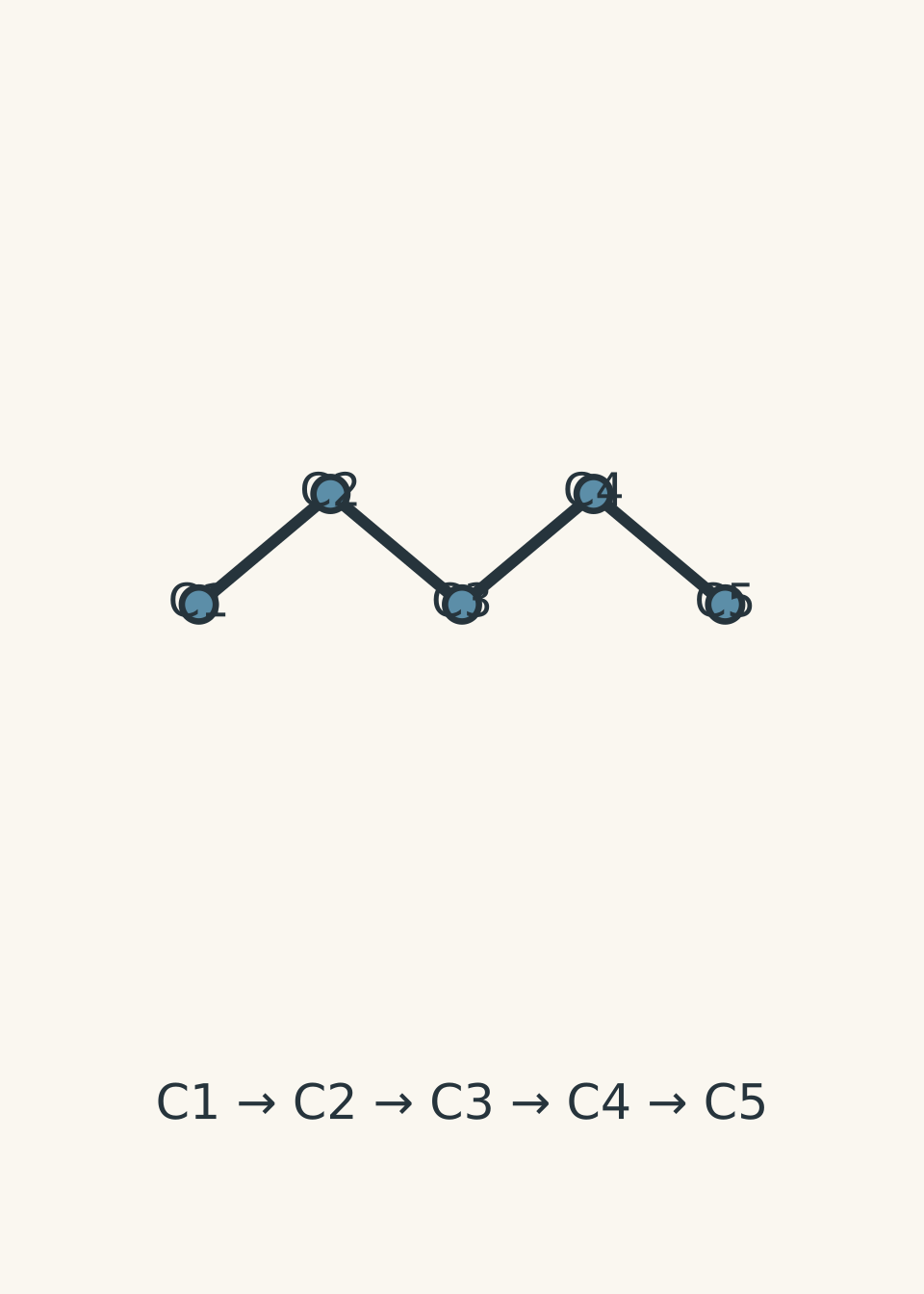
Convert the following skeletal structure into a condensed structural formula:
Step 1
There are five carbon positions: two line ends and three corners.
So the molecule contains five carbons.
Step 2
The two end carbons each have one carbon-carbon bond, so they each need three hydrogens.
The three middle carbons each have two carbon-carbon bonds, so they each need two hydrogens.
Step 3
\[ \ce{CH3CH2CH2CH2CH3} \]
The molecule is pentane.
The final check is the molecular formula. Counting atoms gives:
\[ \ce{C5H12} \]
which matches the alkane pattern \( \ce{C_nH_{2n+2}} \).
Worked example: branched alkane
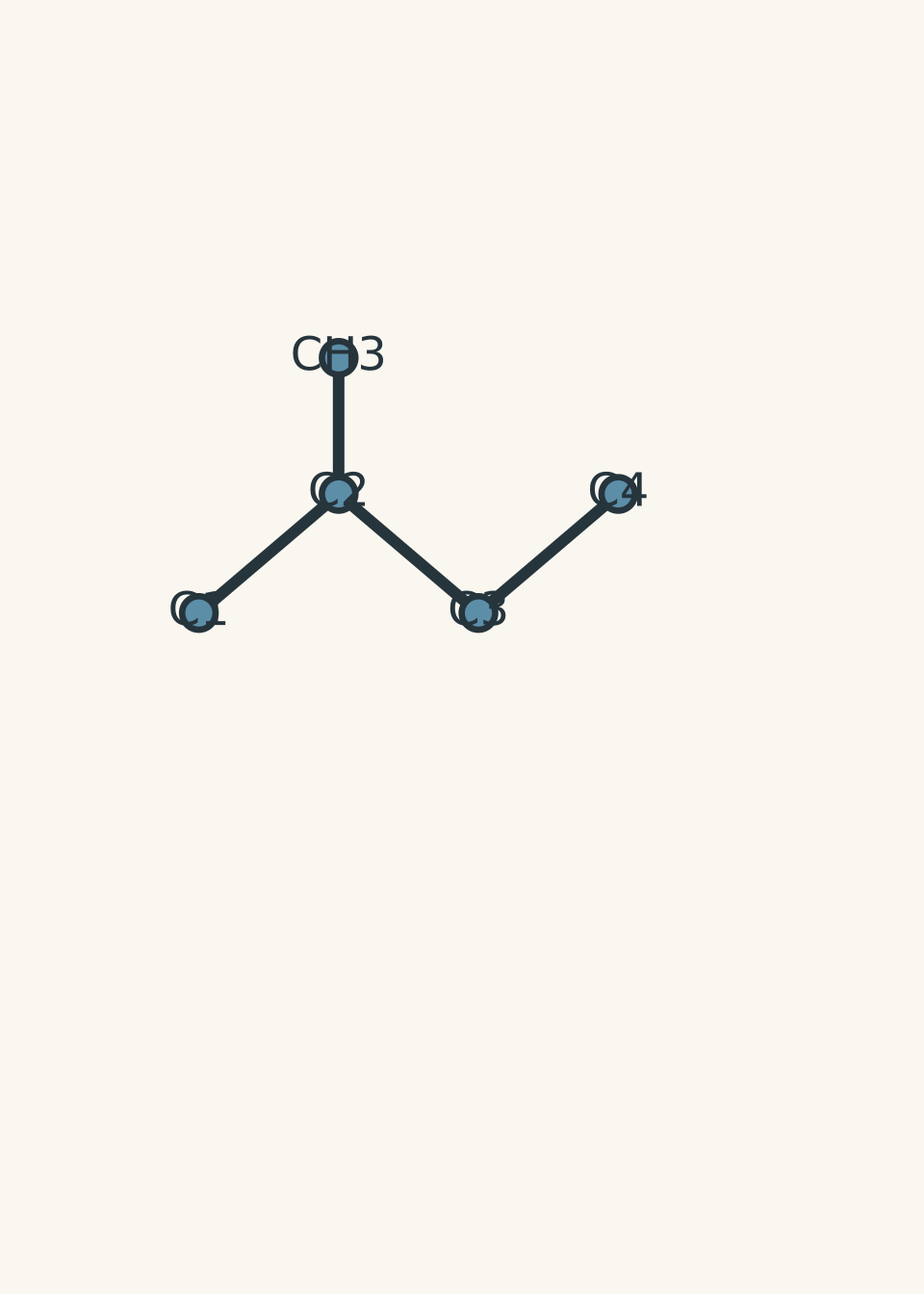
Convert this skeletal structure into a condensed structural formula:
Step 1
The main chain contains four carbons. The branch adds one more carbon.
Total carbons:
\[ 5 \]
Step 2
The branching carbon is attached to:
- the carbon on the left,
- the carbon on the right,
- the methyl branch.
It already has three carbon bonds, so it has only one hydrogen.
Step 3
The condensed formula is:
\[ \ce{CH3CH(CH3)CH2CH3} \]
This is 2-methylbutane.
The brackets are important. They show that the \(\ce{CH3}\) branch is attached to the second carbon.
06Reading double bonds correctly
Double bonds are a common place where students lose marks because they count the carbon positions correctly but ignore the extra bond.
Consider an alkene.
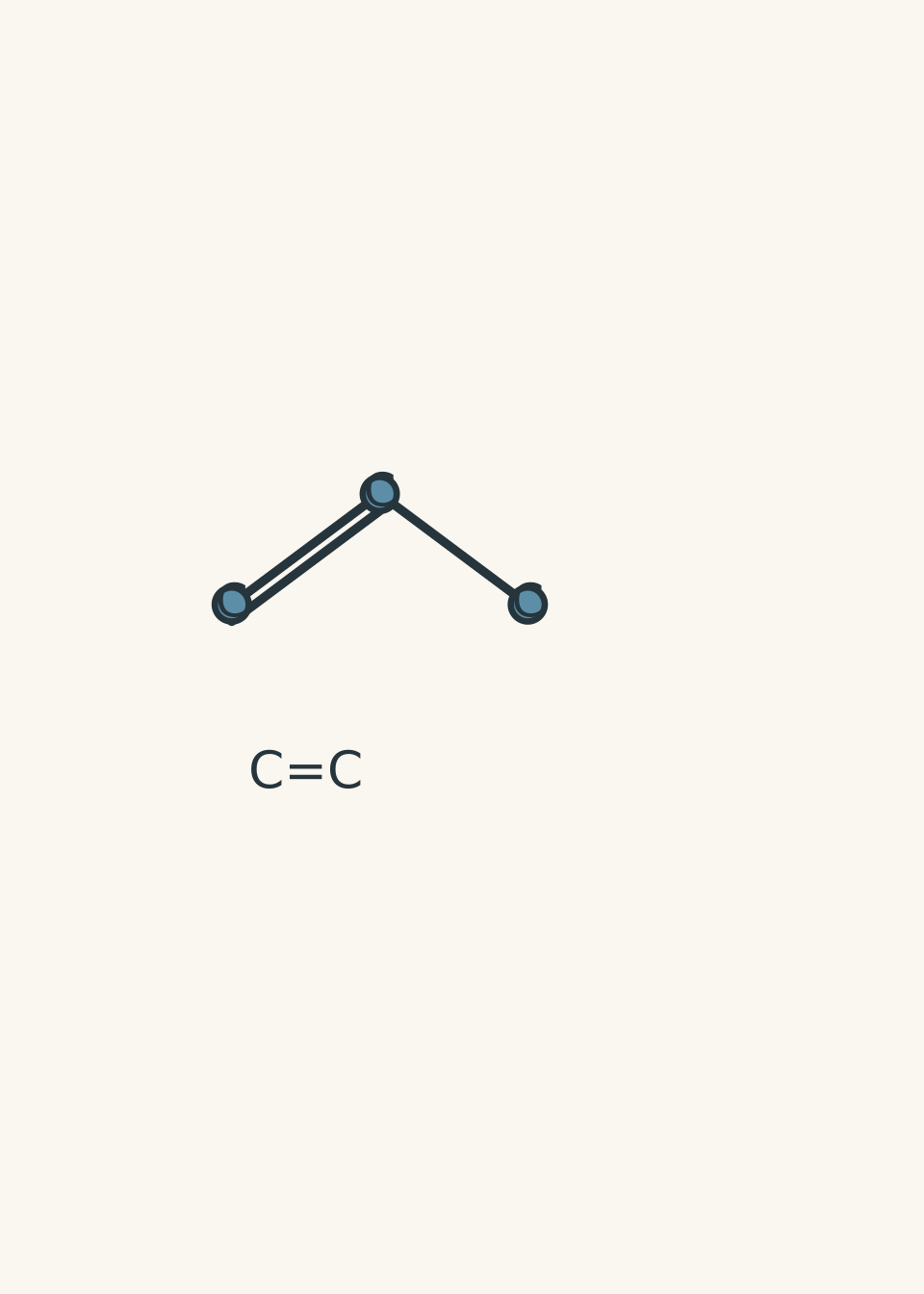
A double bond uses two of carbon’s four available bonds.
For example:
\[ \ce{CH2=CHCH3} \]
is propene.
The first carbon has:
- two bonds to the second carbon because of the double bond,
- two hydrogen bonds.
The second carbon has:
- two bonds to the first carbon,
- one bond to the third carbon,
- one hydrogen.
The final carbon has three hydrogen atoms.
A useful check is the alkene formula:
\[ \ce{C_nH_{2n}} \]
for a simple chain alkene with one double bond.
07Adding functional groups: alcohols
Functional groups are atoms or groups of atoms that control how a molecule reacts.
An alcohol contains the hydroxyl group:
\[ \ce{-OH} \]
The oxygen is not hidden as a carbon. It must be counted separately.
Worked example: alcohol conversion
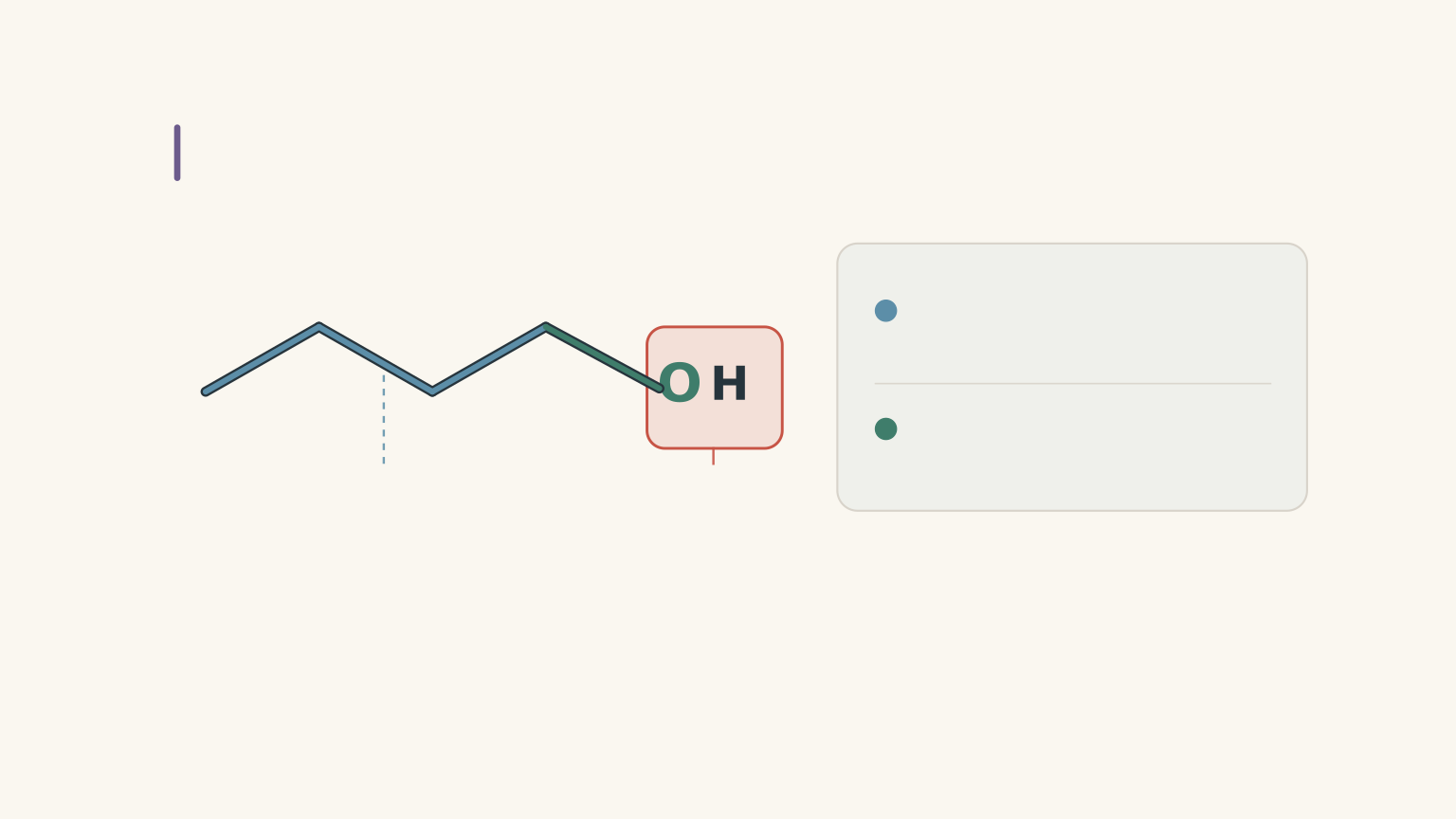
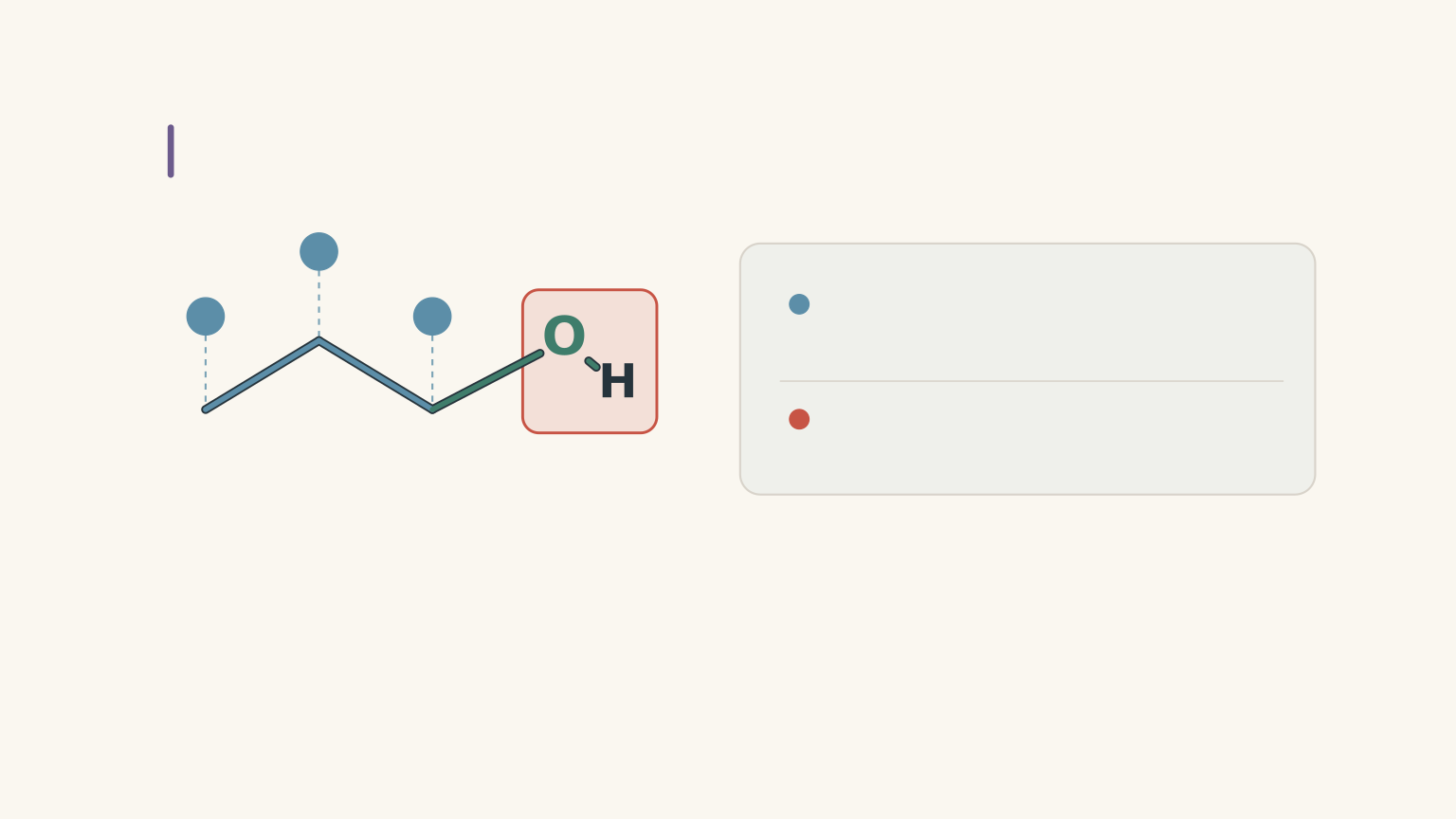
Convert this skeletal alcohol into a condensed structural formula:
Step 1
The carbon chain has three carbons.
Step 2
The \(\ce{-OH}\) group is attached to the end carbon.
This carbon has:
- one bond to another carbon,
- one bond to oxygen.
It therefore has two hydrogen atoms.
Step 3
\[ \ce{CH3CH2CH2OH} \]
This is propan-1-ol.
A common trap is writing:
\[ \ce{CH3CH2CHOH} \]
This incorrectly treats oxygen as if it replaces a carbon bond without completing the oxygen’s normal bonding.
08C1 to C8 structures: a translation guide
The table below shows common examples from one to eight carbons.
| Carbon count | Skeletal carbon framework | Condensed structural formula |
|---|---|---|
| C1 | one carbon end | \(\ce{CH4}\) |
| C2 | two-carbon line | \(\ce{CH3CH3}\) |
| C3 | three-carbon chain | \(\ce{CH3CH2CH3}\) |
| C4 | four-carbon chain | \(\ce{CH3CH2CH2CH3}\) |
| C5 | five-carbon chain | \(\ce{CH3CH2CH2CH2CH3}\) |
| C6 | six-carbon chain | \(\ce{CH3(CH2)4CH3}\) |
| C7 | seven-carbon chain | \(\ce{CH3(CH2)5CH3}\) |
| C8 | eight-carbon chain | \(\ce{CH3(CH2)6CH3}\) |
For longer straight chains, the bracket notation keeps the formula readable. For example:
\[ \ce{CH3(CH2)6CH3} \]
means one \(\ce{CH3}\) group, six \(\ce{CH2}\) groups, and another \(\ce{CH3}\) group.
09Common mistakes gallery
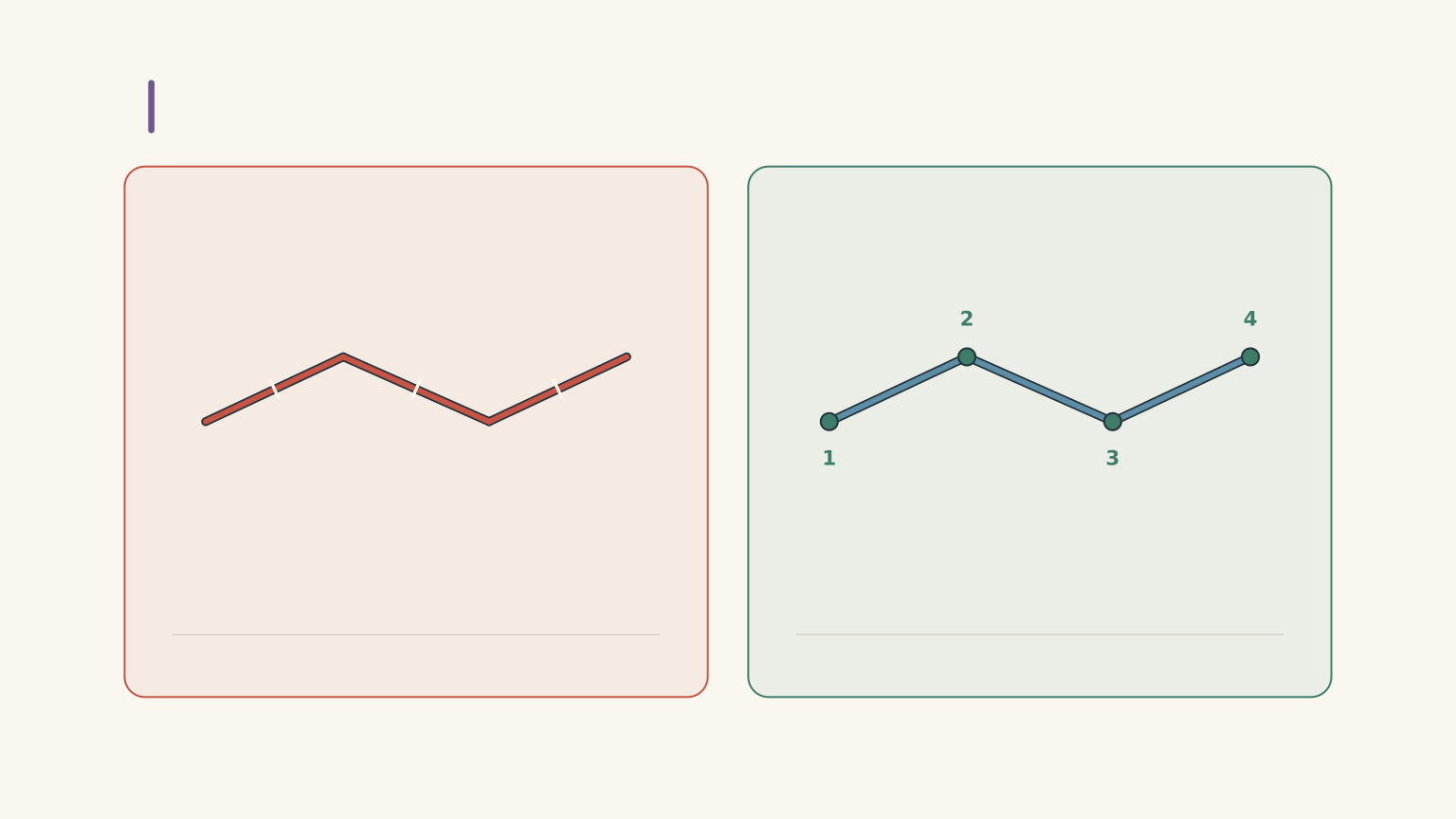
Mistake 1: Missing a corner
A student sees a zig-zag and counts only the visible line segments.
Why it happens:
- The corner looks like empty space.
- The formula hides the carbon deliberately.
Fix:
- Put a small dot at every end and corner before counting.
Mistake 2: Treating a double bond as two separate carbons
A double bond is drawn with two lines, but it still connects the same two carbon atoms.
Why it happens:
- Students count lines instead of atoms.
Fix:
- Count positions, not strokes.
Mistake 3: Attaching a functional group to the wrong carbon
For alcohols, the position of \(\ce{-OH}\) changes the molecule.
Compare:
\[ \ce{CH3CH2CH2OH} \]
and
\[ \ce{CH3CHOHCH3} \]
Both contain three carbons and an \(\ce{-OH}\) group, but the attachment point is different.
Fix:
- After adding a functional group, trace the bond from the labelled atom back to the carbon it actually touches.
Mistake 4: Giving carbon five bonds
A rushed hydrogen count can create impossible structures.
Fix:
- Every carbon must have four total bonds. Check the final structure instead of trusting your first count.
10Questions and solutions
Question 1
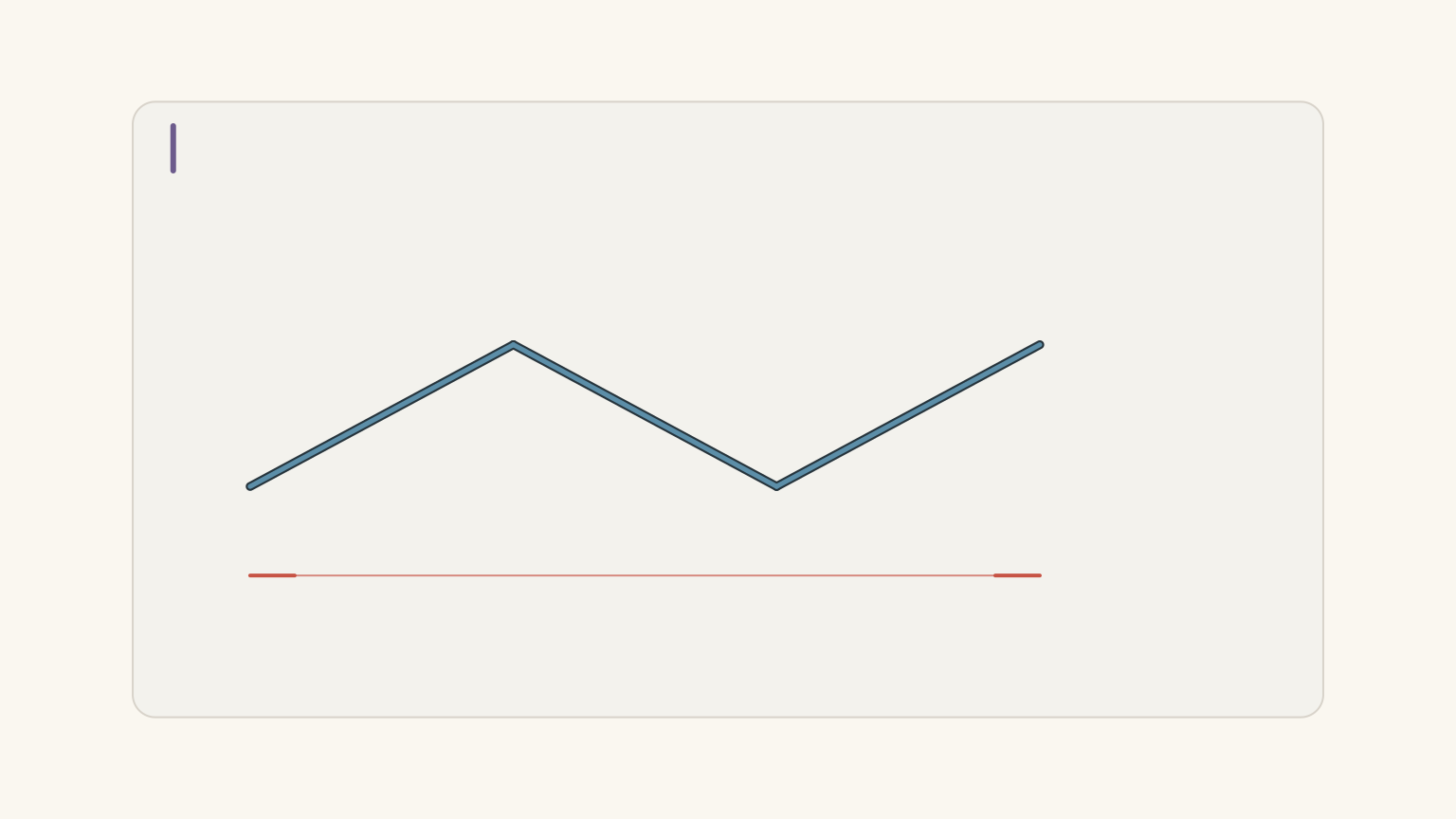
Convert the following skeletal structure into a condensed structural formula:
Solution 1
The condensed structural formula is \(\ce{CH3CH2CH2CH3}\), which is butane.
The reason is that the structure contains four carbon positions: two ends and two corners. The two end carbons each need three hydrogens, and the two middle carbons each need two hydrogens.
The tempting mistake is counting the three line segments and deciding there are three carbons. The constraint that changes the answer is the skeletal drawing convention: line segments represent bonds, not atoms.
Question 2
A skeletal formula shows a five-carbon chain with a methyl branch attached to the second carbon. Write the condensed structural formula and molecular formula.
Solution 2
The condensed structural formula is \(\ce{CH3CH(CH3)CH2CH2CH3}\), and the molecular formula is \(\ce{C6H14}\).
The key step is counting the branch as an additional carbon. The main chain has five carbons, and the branch adds one more.
A common incorrect route is to count only the longest line. That gives five carbons, but the branch is a real carbon atom, not decoration. Each carbon must still satisfy the four-bond rule, giving fourteen hydrogens.
Question 3
A student converts the skeletal formula of propene into \(\ce{CH3CH2CH3}\). Explain the error and give the correct condensed structural formula.
Solution 3
The correct condensed structural formula is \(\ce{CH2=CHCH3}\), because the molecule contains a carbon-carbon double bond.
The student correctly counted three carbons but treated the molecule as an alkane. The double bond changes the hydrogen count because two carbons are using an extra bond between them.
For the first carbon:
\[ \ce{C=} \]
the double bond uses two of the carbon’s four bonds, leaving two hydrogens.
For the second carbon:
\[ \ce{=C-} \]
the double bond uses two bonds, the single bond to the final carbon uses one bond, leaving one hydrogen.
The final carbon has three hydrogens.
Question 4
A molecule has the skeletal structure of a four-carbon chain with an \(\ce{-OH}\) group attached to the second carbon. A student writes \(\ce{CH3CH2CH2CH2OH}\). Is this correct? Explain.
Solution 4
The formula is incorrect. The correct condensed structural formula is \(\ce{CH3CH(OH)CH2CH3}\), which is butan-2-ol.
The student has moved the alcohol group to the end of the chain, creating butan-1-ol instead.
The tempting route is to see the same number of carbons and the same \(\ce{-OH}\) group and assume the structures are equivalent. The constraint that changes the result is connectivity: organic molecules are defined by which atoms are joined to which, not just by the total number of atoms.
Question 5
Two students analyse the same skeletal structure. Student A counts six carbons because there are six visible line sections. Student B counts eight carbons because there are eight corners and ends. The structure is an eight-carbon alkene with one double bond. Student A also predicts the molecular formula \(\ce{C6H12}\). Determine which reasoning is correct and explain why.
Solution 5
Student B is correct: the molecule contains eight carbons, and because it is an alkene with one double bond, its molecular formula is \(\ce{C8H16}\).
Student A has made two linked mistakes. First, line sections are bonds, not carbon atoms. A skeletal formula with eight carbon positions can have seven carbon-carbon connections in a chain, plus additional connections depending on shape.
Second, Student A has used the alkane formula pattern:
\[ \ce{C_nH_{2n+2}} \]
instead of accounting for the double bond. A single carbon-carbon double bond removes two hydrogens compared with the equivalent alkane.
The deeper idea is that a skeletal formula contains two different types of information:
- the positions of atoms, which come from corners and ends,
- the bonding between atoms, which comes from the lines.
Ignoring either one creates a structure that may look neat but cannot satisfy carbon’s four-bond rule.
11Common next steps
Once skeletal formulas become automatic, the next useful skill is recognising how changing the carbon framework changes properties and reactions.
For HSC Chemistry, that means moving from “What is this molecule?” to “How will this molecule behave?” The hidden carbons and hydrogens are the starting point for naming organic compounds, identifying functional groups, and predicting reactions.