
HSC Past Papers vs Trial Papers: Which Should You Use First?
Should you start with official HSC past papers or school trial papers? Learn how to choose the right resource based on your syllabus, preparation stage, and feedback needs, with practical study sequences for different HSC cohorts.
Imagine you score 68% on an official HSC paper, then 52% on your school’s trial. Does that mean the trial was a better test of your ability?
Not necessarily. Before comparing the marks, you need to know whether both papers match your syllabus, what each paper was designed to test, and what feedback you can get afterwards.
For most students, the best starting point is syllabus-matched questions from official HSC past papers. Once you’ve built some familiarity with the exam style, use a complete HSC paper to establish a baseline, then bring in trial papers to practise unfamiliar applications, work under time pressure, and identify weaknesses.
There is one important exception: if you’re part of the first cohort studying a new syllabus, a current-syllabus trial or sample examination may be more useful than an older HSC paper.
The trick is to use each resource for the job it does best.
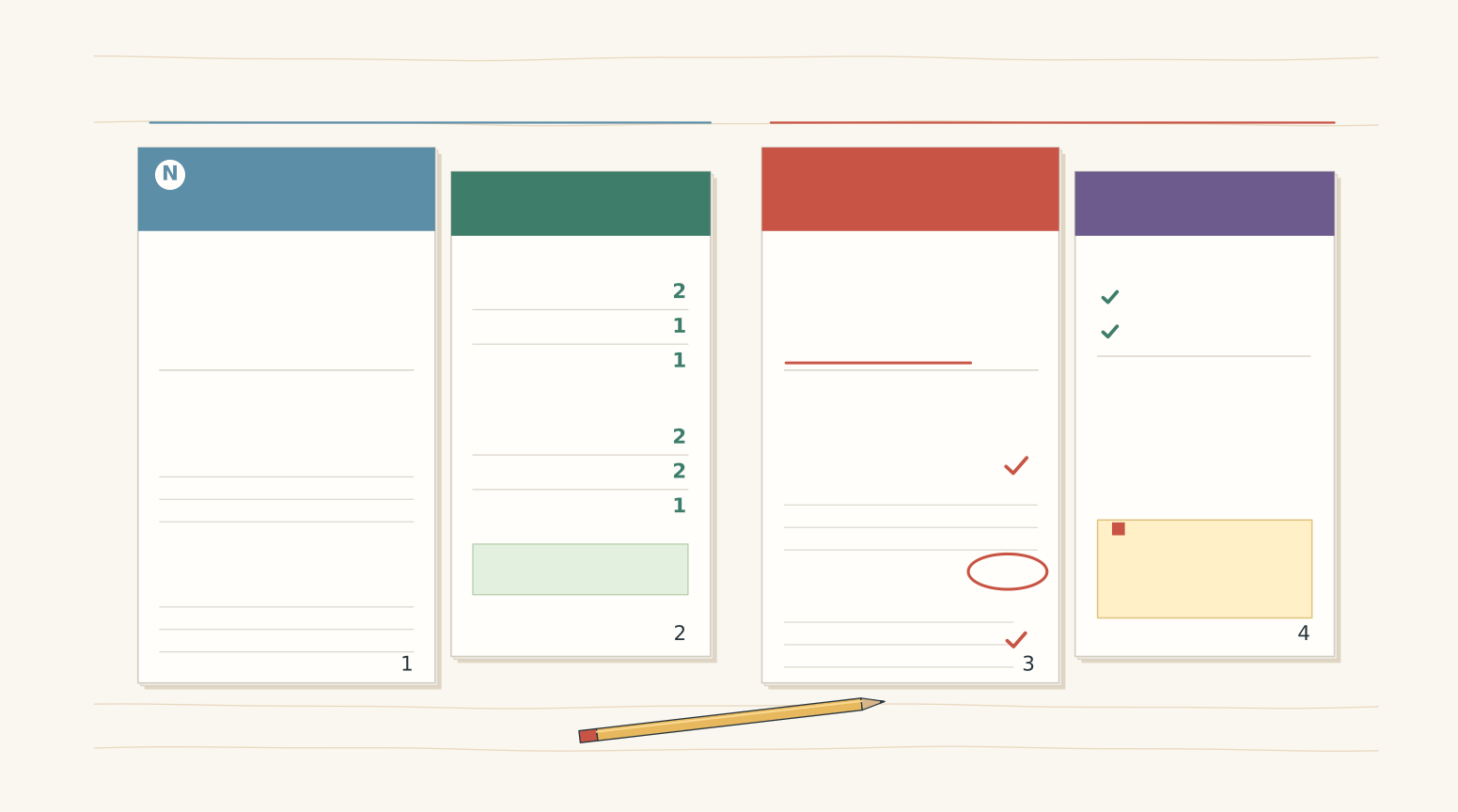
Due to technical limitations, this figure may display incorrectly or contain inaccuracies. Please check key details against your course materials.
01HSC past papers and trial papers do different jobs
Both resources help you prepare for the HSC, but they provide different kinds of practice.
An official HSC past paper is an examination set by NESA. It shows you how knowledge and skills have actually been assessed in a particular examination.
A trial paper is a practice examination used by a school, usually written or selected by teachers. It gives students an opportunity to practise a complete examination and can provide feedback on how they’re performing before the HSC.
Here’s where each one is most useful.
| What you’re trying to improve | Better starting point | Why |
|---|---|---|
| Understanding HSC question wording | Official HSC past papers | You see the language and structure used in actual examinations. |
| Learning how marks are allocated | Official HSC marking guidelines | You can examine the criteria used to assess responses. |
| Identifying gaps in recently taught content | A well-designed trial | Your teacher may be able to provide feedback on specific weaknesses. |
| Practising unfamiliar applications | Trial papers | They can expose you to different ways of combining familiar concepts. |
| Learning examination timing | Both | You can practise under timed conditions using either resource. |
| Checking your preparation against the actual examination | A recent, syllabus-aligned HSC paper | It provides an authentic reference point. |
The important distinction is that official HSC papers provide a reference to the actual examination, while trial papers provide additional opportunities to practise and receive feedback.
A trial isn’t automatically better because it’s harder. Equally, an official paper isn’t automatically more useful because NESA wrote it.
A difficult question outside your syllabus is not particularly valuable HSC preparation.
02Which should you use first?
Use this decision rule rather than following a fixed order regardless of your circumstances.
1. If you’re still learning the syllabus, start with selected HSC questions
You don’t need to complete an entire examination paper before you’ve finished the course.
Instead, select questions from previous HSC papers that assess the topics you’ve already studied.
For example, if you’ve recently completed projectile motion in Physics, find relevant questions from several official papers. Attempt them, compare your reasoning with the marking guidelines, and identify what you need to improve.
This helps you become familiar with actual HSC questions while you’re still learning the material.
You can read more about this approach in How to Use Past HSC Papers Before You Finish the Syllabus.
2. If you want to understand the actual examination, use a full HSC paper
Once you’ve covered enough of the syllabus, attempt a complete, relevant HSC paper under timed conditions.
This gives you a useful baseline.
You’ll discover whether you can:
- Recall the necessary content without notes.
- Recognise which concepts a question is testing.
- Choose an appropriate method without being told which formula to use.
- Complete calculations accurately under time pressure.
- Explain scientific ideas using appropriate terminology.
- Allocate enough time to longer questions.
Don’t immediately use every recent HSC paper as a full examination. If you have several suitable papers available, keep one or two aside for later practice.
3. If you need more practice and feedback, introduce trial papers
After establishing your baseline, use trial papers to test whether you can apply what you’ve learnt in different situations.
A good trial can expose weaknesses that you didn’t notice in previous HSC questions.
For example, you might understand equilibrium calculations in Chemistry but struggle when a question combines equilibrium with changes in temperature and concentration.
A trial question could reveal that weakness.
More importantly, if your teacher marks the paper and explains where your reasoning went wrong, you have something specific to work on.
4. If you’re sitting a new syllabus, check whether suitable HSC papers exist
This changes the order.
If your cohort is the first to sit a new syllabus, there may not be an official HSC paper written for that syllabus yet.
In that situation, use NESA sample examination materials where available and trial papers that explicitly match your current syllabus.
Older HSC papers can still be useful, but only for content and skills that remain relevant.
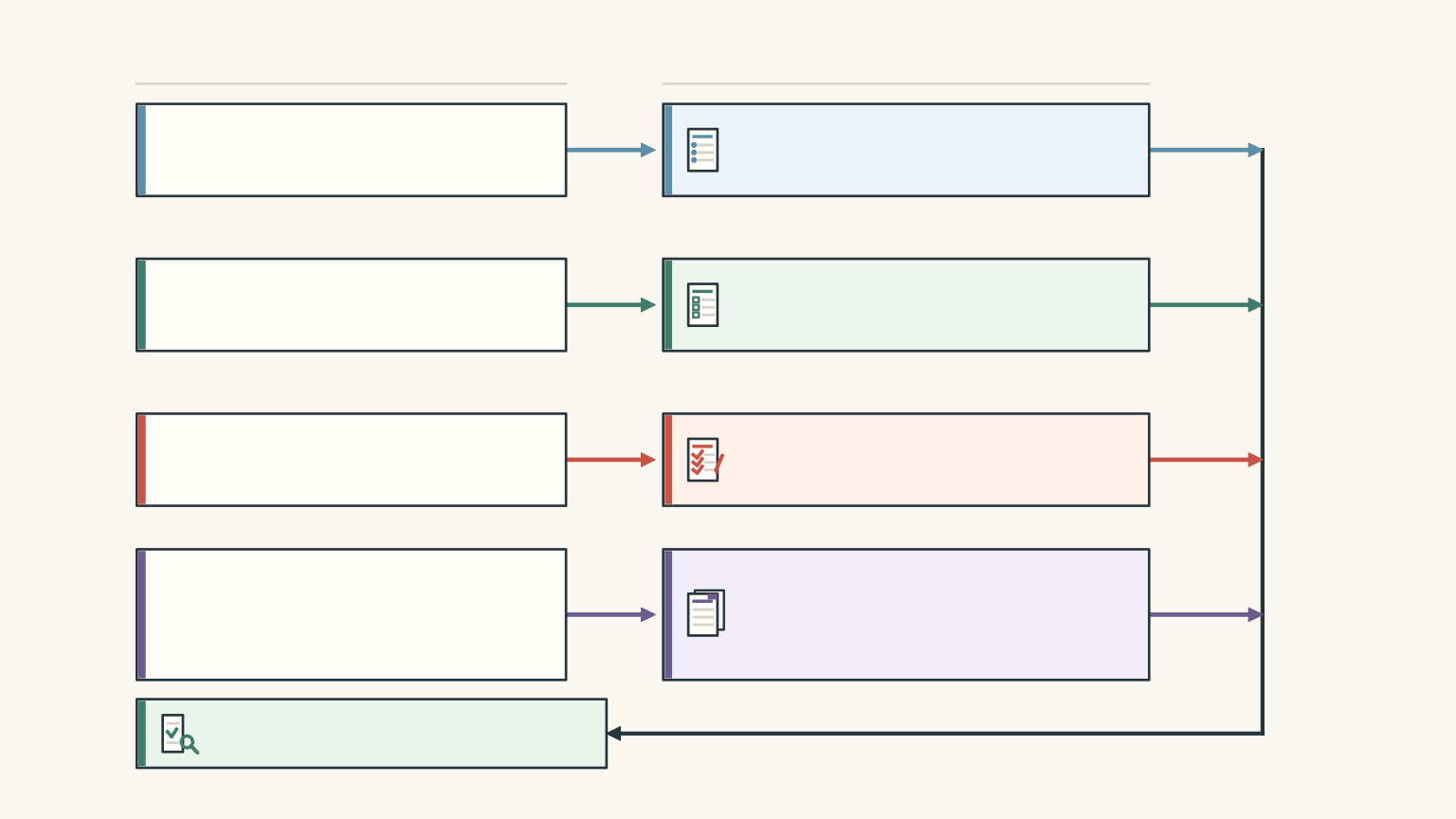
Due to technical limitations, this figure may display incorrectly or contain inaccuracies. Please check key details against your course materials.
03Check your syllabus before choosing a paper
This is particularly important in 2026 because NSW is introducing new Stage 6 syllabuses at different times.
A past HSC paper can look completely relevant while testing content from a different syllabus.
As at 15 November 2026, the implementation dates for the subjects relevant to tutorgum students are:
| Course | First HSC examination under the new syllabus | What this means |
|---|---|---|
| Mathematics Extension 1 | 2027 | The 2027 HSC cohort follows the new 2024 syllabus. |
| Mathematics Extension 2 | 2027 | The 2027 HSC cohort follows the new 2024 syllabus. |
| Physics | 2028 | The 2027 HSC cohort still follows the 2017 syllabus. |
| Chemistry | 2029 | The 2028 HSC cohort still follows the 2017 syllabus. |
You can check the implementation details directly through NESA:
Notice that the transition dates aren’t identical.
The new Mathematics Extension 1 and Extension 2 syllabuses begin teaching in 2026, with their first HSC examinations in 2027.
The new Physics syllabus begins teaching Year 11 in 2027, with its first HSC examination in 2028.
The new Chemistry syllabus begins teaching Year 11 in 2028, with its first HSC examination in 2029.
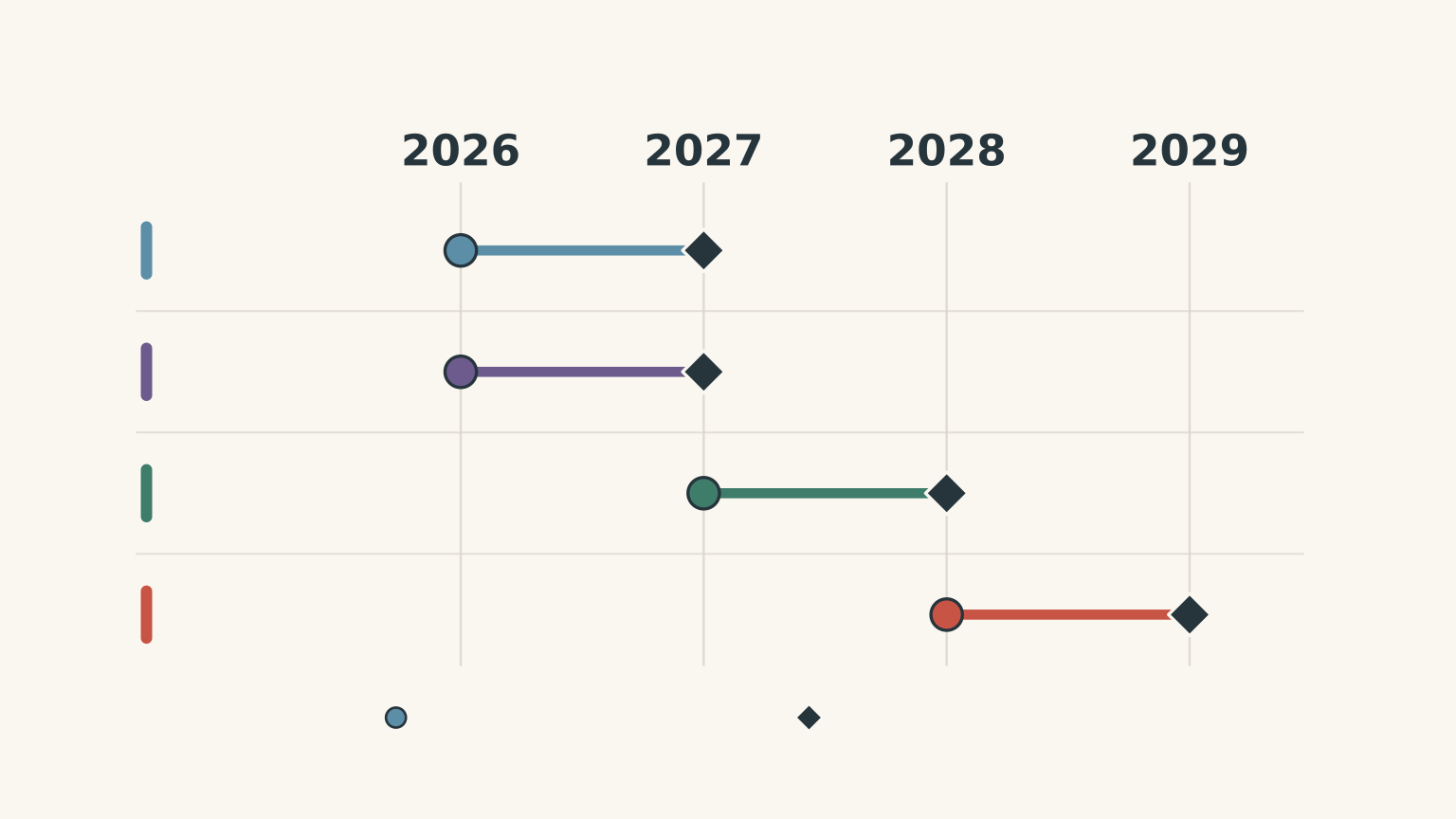
Due to technical limitations, this figure may display incorrectly or contain inaccuracies. Please check key details against your course materials.
What if there isn’t a past HSC paper for your syllabus?
Don’t try to force an old examination to serve as a complete practice paper.
Instead:
- Download the current NESA syllabus for your course and cohort.
- Identify the content and outcomes that have changed.
- Use current NESA sample examination materials where available.
- Find trial papers that explicitly match your syllabus version.
- Use older HSC questions selectively where the assessed content and skills still match.
For example, a student sitting Mathematics Extension 1 in 2027 should not assume that a complete 2023 HSC paper is an accurate examination simulation.
The 2023 paper was written for the previous syllabus. Some questions may remain useful, but the paper as a whole isn’t a substitute for practice designed around the 2024 syllabus.
This is a situation where a well-aligned school trial may be the better starting point.
04How to choose a trial paper worth attempting
Not all trial papers are equally useful.
Some are carefully designed around the current syllabus. Others may contain unusual questions, excessive difficulty, or material that doesn’t belong in your course.
Before committing several hours to a trial, check five things.
1. Does it match your syllabus?
Check the syllabus version and course content. A paper labelled simply Physics or Mathematics Extension 2 doesn’t tell you enough.
2. Does it test the right knowledge and skills?
Look at the questions themselves. Are they assessing the outcomes you’re expected to demonstrate?
A question can be challenging without being relevant.
3. Is the examination structure appropriate?
Check the duration, mark allocation, question types, and permitted examination resources against the requirements for your course.
4. Can you get meaningful feedback?
A paper with a marking guide is useful. A paper with detailed teacher feedback is often even more useful because you can ask why a particular approach lost marks.
5. Is the difficulty serving a purpose?
An unfamiliar question that requires you to combine several syllabus concepts can be excellent practice.
A question that relies on content you haven’t been taught and aren’t expected to know is a different matter.
Don’t confuse the two.
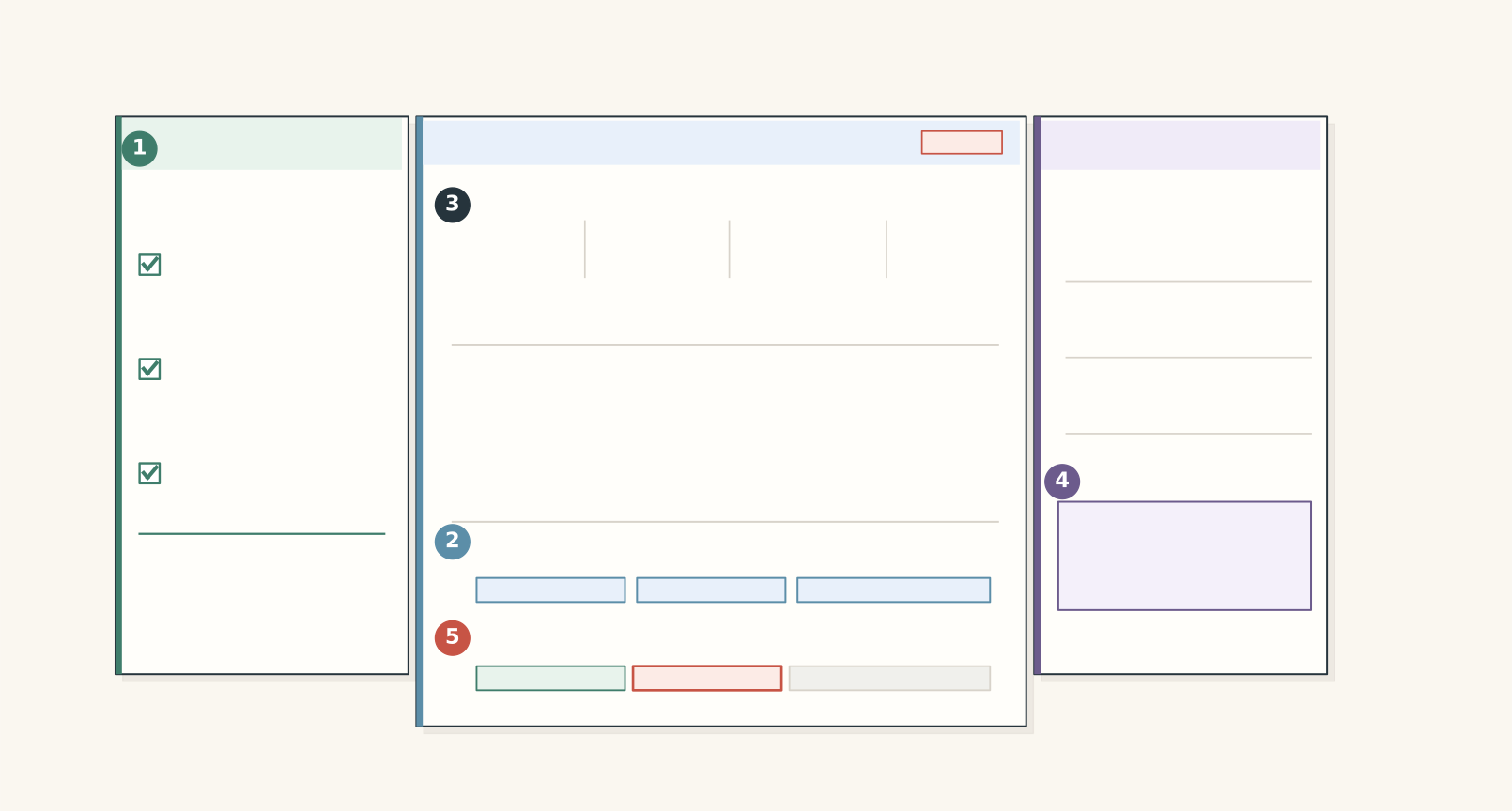
Due to technical limitations, this figure may display incorrectly or contain inaccuracies. Please check key details against your course materials.
05Two examples: choosing the right paper for your situation
The best starting point becomes clearer when you apply the decision rule to actual HSC preparation scenarios.
Example 1: A Mathematics Extension 1 student sitting the 2027 HSC
Suppose you’ve started Year 12 and are preparing for the 2027 HSC.
You have three resources:
- A 2023 Mathematics Extension 1 HSC paper.
- A school trial written for the new 2024 syllabus.
- Current NESA sample examination materials.
Which should you attempt first?
The school trial and current sample materials should take priority.
Why?
The 2027 HSC is the first examination under the new Mathematics Extension 1 syllabus. The 2023 paper belongs to the previous syllabus.
You can still use individual questions from 2023 if they assess content and skills that remain relevant. However, completing the entire paper and treating your percentage as a reliable measure of preparation would be misleading.
A sensible sequence would be:
- Review the 2024 syllabus and identify the examinable content.
- Attempt relevant questions from older HSC papers to practise familiar concepts.
- Work through the current NESA sample examination materials.
- Complete the school trial under timed conditions.
- Use the feedback to identify weaknesses and select further practice questions.
In this situation, a trial comes before a full old HSC paper because syllabus relevance is more important than the age or official status of the resource.
Example 2: A Chemistry student sitting the 2028 HSC
Now consider a student preparing for the 2028 Chemistry HSC.
The new Chemistry syllabus doesn’t have its first HSC examination until 2029. The 2028 cohort still follows the 2017 syllabus.
This means recent official HSC papers written under the 2017 syllabus are directly relevant to the student’s course.
A sensible sequence would be:
- Attempt selected questions from recent official Chemistry HSC papers.
- Complete a full, relevant HSC paper under timed conditions.
- Review the marking guidelines and identify weak areas.
- Attempt a school trial to practise different applications and question combinations.
- Review the trial and revisit the concepts that caused difficulty.
Here, official past papers are the stronger starting point because they match the student’s syllabus and provide an authentic examination reference.
The difference between these examples isn’t the subject or the perceived difficulty of the papers. It’s the syllabus being examined.
06How to use the results from each paper
Completing a paper is only half the work.
The other half is understanding what your mistakes tell you about your preparation.
After marking an HSC paper or trial, classify each lost mark.
| Type of mistake | What probably happened | What to practise next |
|---|---|---|
| Knowledge gap | You didn’t understand or remember the relevant concept. | Revisit the theory and attempt topic-specific questions. |
| Method selection | You knew the relevant formulas but chose the wrong approach. | Practise identifying what a question is asking before calculating. |
| Application | You could solve familiar questions but struggled with unfamiliar contexts. | Attempt more multi-step and application questions. |
| Working and accuracy | Your method was sound, but you made algebraic, numerical, or substitution errors. | Practise complete solutions and check intermediate steps. |
| Interpretation | You misunderstood a graph, table, experimental result, or question instruction. | Practise extracting information and explaining what it means. |
| Timing | You spent too long on individual questions. | Complete timed sections and practise moving on when necessary. |
| Communication | Your reasoning was incomplete or insufficiently explained. | Practise writing answers that explicitly address the question. |
This is why detailed feedback can make a trial paper particularly useful.
For example, imagine you lose eight marks across a Chemistry trial because you struggle to explain experimental results.
Doing another complete Chemistry paper immediately might not fix the problem.
You’d be better off practising experimental interpretation and written explanations first, then testing those skills in another examination.
For a more detailed approach, read How to Review a Trial HSC Paper Without Wasting Time.
When using NESA’s official HSC examination resources, look for the examination paper, marking guidelines, and available HSC marker feedback. Use the marking guidelines to understand what earns marks, rather than simply memorising sample responses.
07A practical study sequence to follow
If you’re unsure what to do next, use this checklist.
- [ ] Confirm which syllabus version applies to your HSC cohort.
- [ ] Identify the topics and outcomes you’ve already studied.
- [ ] Attempt selected official HSC questions that match those topics.
- [ ] Complete a full, syllabus-aligned HSC paper when you’re ready for a baseline.
- [ ] Mark your responses using the relevant marking guidelines.
- [ ] Identify the specific mistakes costing you marks.
- [ ] Attempt a current-syllabus trial paper to practise unfamiliar applications and timed responses.
- [ ] Review the trial and target the weaknesses it exposes.
- [ ] Repeat with another suitable paper, keeping some examination practice for closer to the HSC.
If you’re part of a new syllabus cohort, adjust the sequence: use current sample examination materials and syllabus-matched trials before treating older HSC papers as full examination practice.
08So, which should you use first?
For most students, start with official HSC past-paper questions, then move towards full HSC examinations and trial papers as your preparation develops.
But don’t follow that order blindly.
A current-syllabus trial is more useful than an outdated HSC paper if the latter tests content that no longer belongs in your course. Similarly, a teacher-marked trial may be the better first choice if you need detailed feedback on a particular weakness.
Think about what you need from your next practice session:
- Want to understand official examination expectations? Start with HSC past papers.
- Want to test how well you can apply what you’ve learnt? Use a suitable trial.
- Want to identify why you’re losing marks? Choose a paper you can get properly marked and reviewed.
- Studying a new syllabus? Prioritise current sample materials and trials that match your cohort.
The goal isn’t to complete the largest collection of papers. It’s to make each paper tell you something useful about what to improve next.