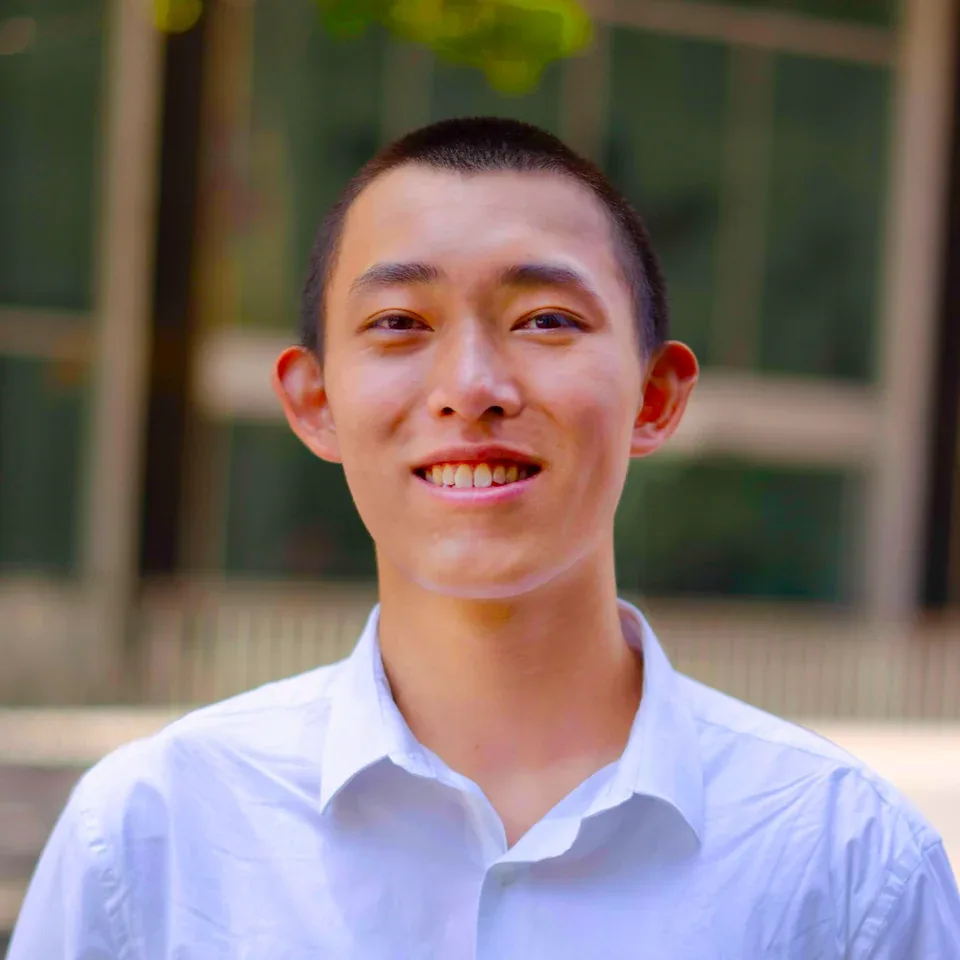
HSC 物理 92 分
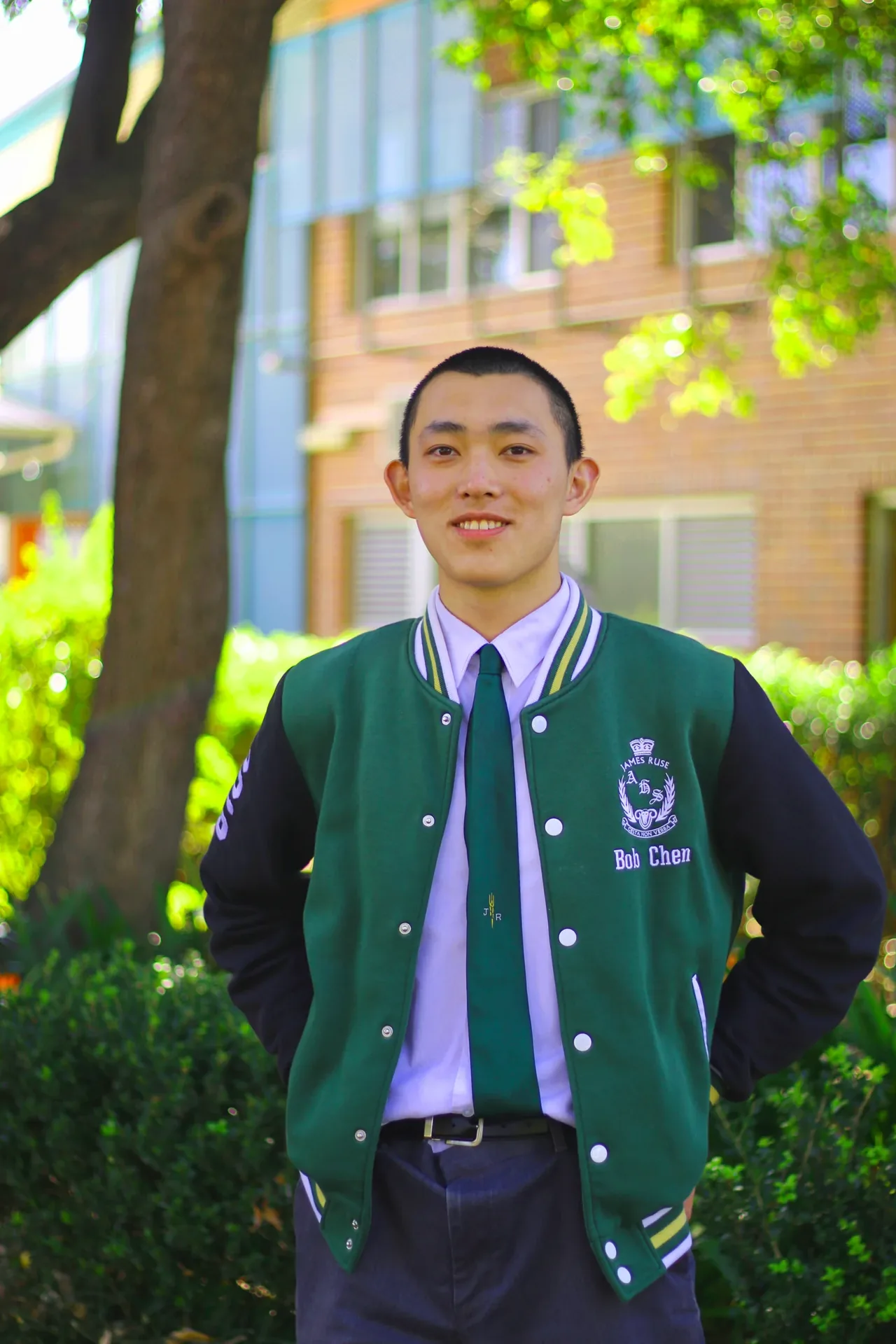
Oxford Falls Grammar
Bob 的教学方式和作业安排很适合我。
Jedh 投入了很多时间,但物理一度让他觉得自己可能永远学不会。课程帮助他理解概念背后的逻辑,而不只是背笔记。每周练习和小班的支持让他重拾信心,最终在 HSC 物理中取得 92 分。
完整故事向下滚动即可关闭
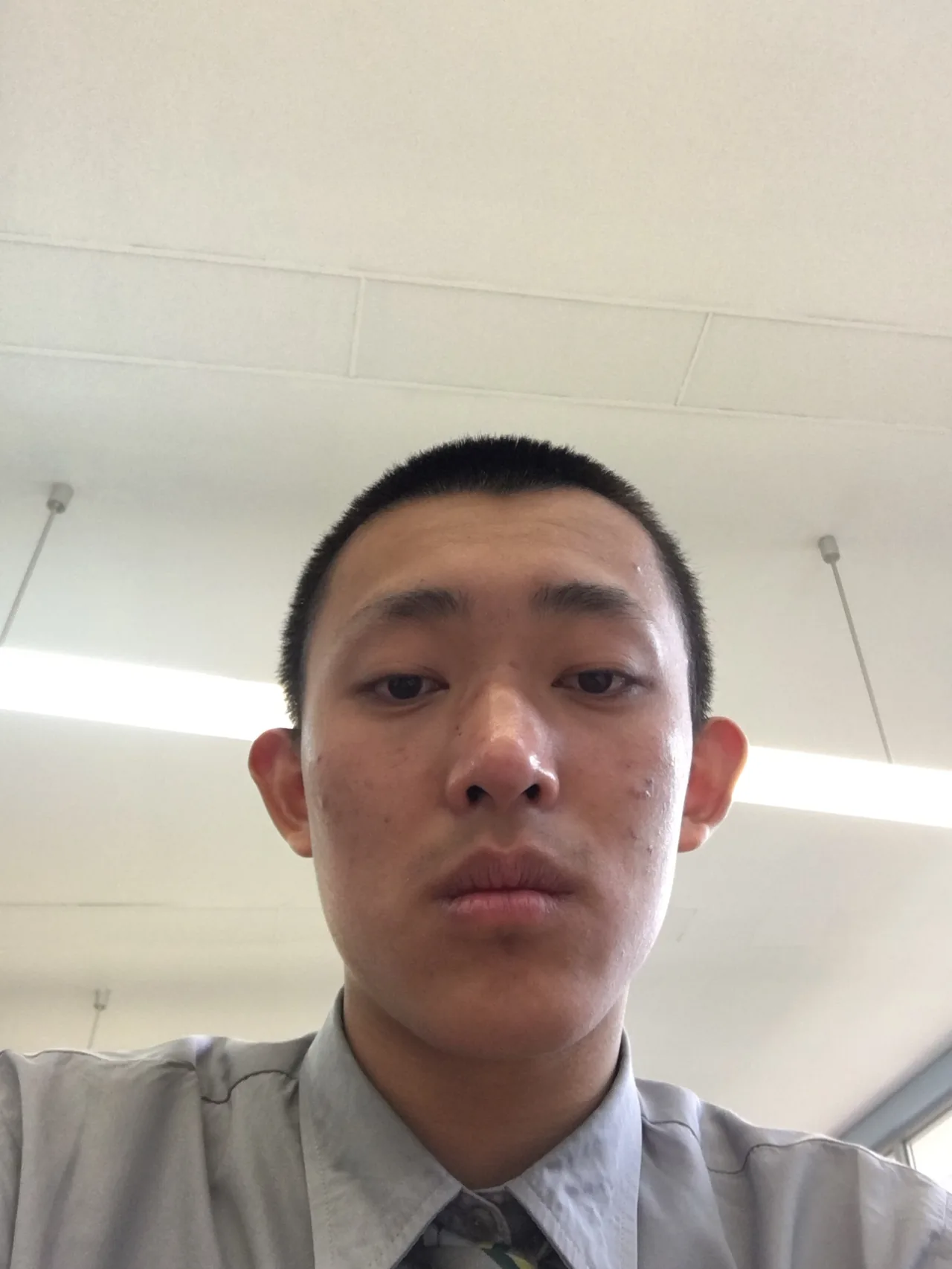
Physics state rank99.85 ATARUSYD Med
Oxford Falls Grammar
Bob 的教学方式和作业安排很适合我。
Jedh 投入了很多时间,但物理一度让他觉得自己可能永远学不会。课程帮助他理解概念背后的逻辑,而不只是背笔记。每周练习和小班的支持让他重拾信心,最终在 HSC 物理中取得 92 分。
完整故事向下滚动即可关闭
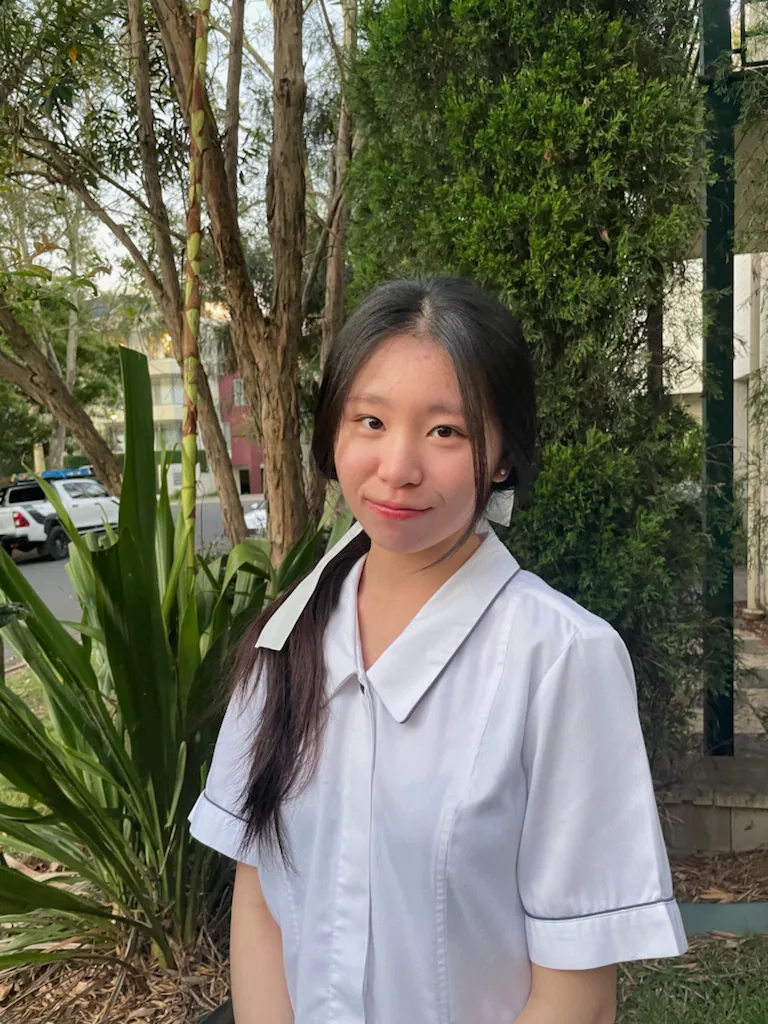
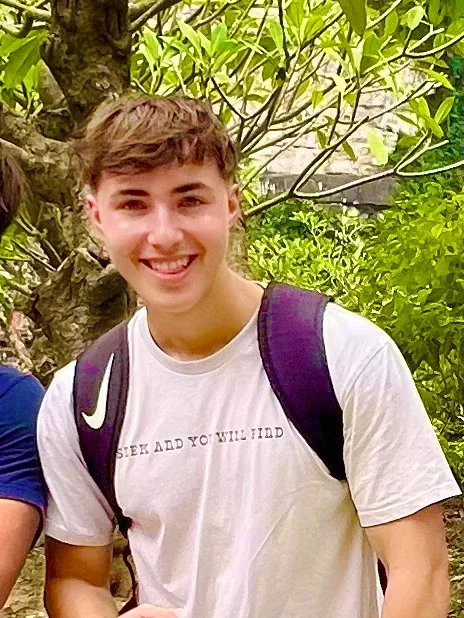
Meriden
我笑着走出了考场。
Kirsten 的成绩持续下滑,她也开始害怕物理。更个性化的课程让她可以放心提问,并按自己的进度学习。挑战性练习和课外帮助让她准备得更充分。她的化学模拟考成绩从 56% 提升到 HSC 的 91%,物理也取得了 92 分。
完整故事向下滚动即可关闭
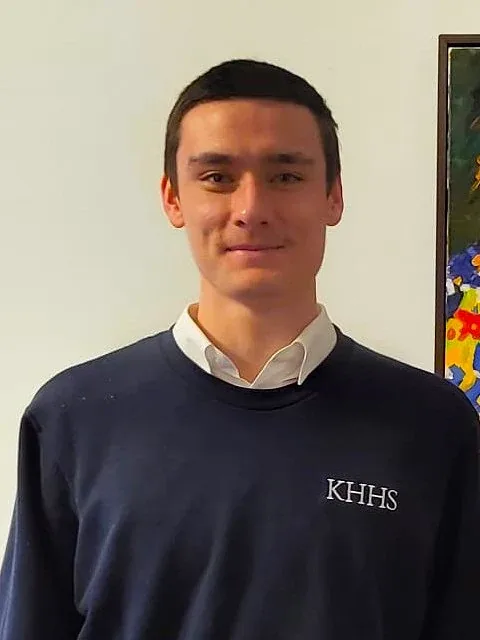
Killarney Heights High School
你们的方法让我更有信心,也取得了这么好的成绩。
Hunter 高中期间大多排在年级后段,成绩通常是 C 或 D。借助学习资料、老师和持续练习,他开始取得从未想过的成绩。预科课程结束时,他在物理和数学拓展 1 中均名列第一。
完整故事向下滚动即可关闭
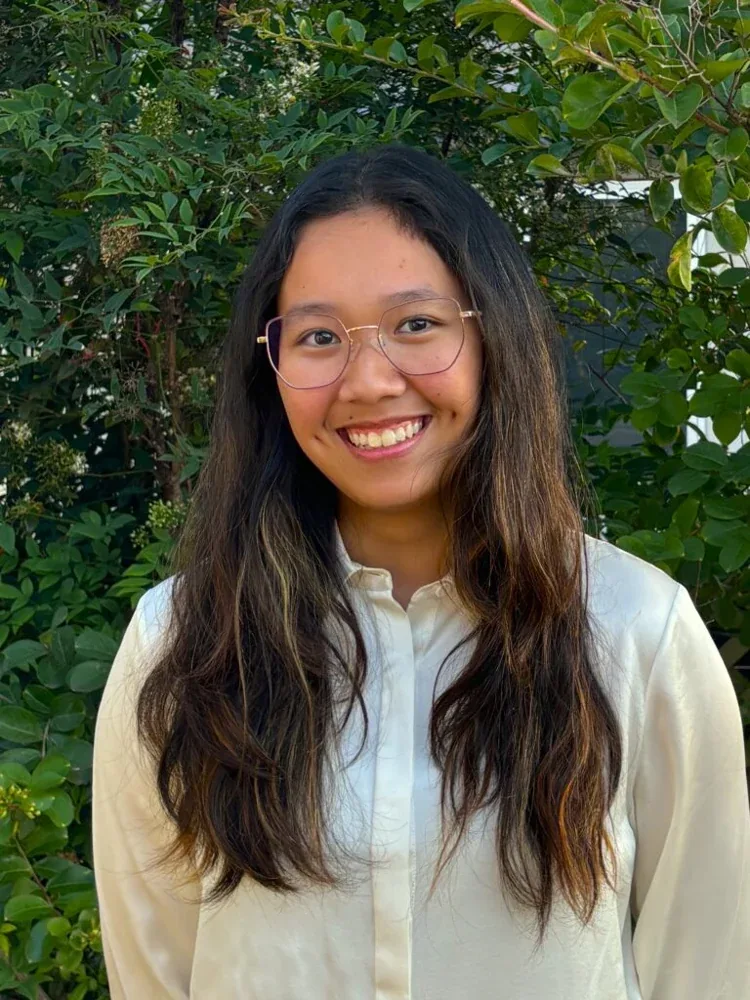
Hurlstone Agricultural High School
他营造了有趣、轻松而且很支持学生的氛围。
Queenie 很看重老师愿意换一种方式解释概念、课后答疑并帮助她准备校内评估。这些支持让她能更灵活地思考物理,而不是只依赖课本解释。她从 Hurlstone Agricultural 毕业时,物理考获 95 分,ATAR 达到 99.75。
完整故事向下滚动即可关闭
Sydney Grammar
Mustafa graduated as Dux of Sydney Grammar in 2023 with a 99.95 ATAR. He achieved 94 in Physics and 95 in Chemistry, and later tutored at Tutorgum.
完整故事向下滚动即可关闭
St Ives High School
At St Ives High School, Avyukt improved from 30% in Year 12 Chemistry Task 1 to 84% in Task 3, and from 40% in Physics Task 1 to 86% in Task 3.
完整故事向下滚动即可关闭
James Ruse
But I was never naturally gifted at science.
Johnny came 73rd in Physics in Year 11. By Year 12 he had improved to fifth at James Ruse, with 96 in HSC Physics, ninth in James Ruse Chemistry and a 99.50 ATAR.
完整故事向下滚动即可关闭
Reddam House
Jaiden graduated from Reddam House in 2023, where he held an academic scholarship. He achieved 94 in Chemistry and a 98.75 ATAR, and later joined the Tutorgum team.
完整故事向下滚动即可关闭
在 James Ruse 物理科考到第一名之前,我甚至不敢把成绩告诉妈妈。
新州物理排名第一ATAR 99.85悉尼大学医学
那时我读 Year 10。
但我还有一件事比自拍更不擅长。
因为我的成绩一直不太好。
糟了。
年级排名第 50。
我讨厌科学。
我努力学习、背诵、练习。
但我还是用错公式。
考试时只能猜。
我始终进不了前列,成绩也达不到 90% 以上。
我失去了掌控。
我不想把成绩告诉妈妈。
后来我取得了
Better explanations. No missing steps.
Follow one ball. Pause at the instant that usually trips people up.
1 / 5
Throw the ball forwards and upwards. Ignore air resistance after release: gravity is the only force acting on it.
2 / 5
The arrow shows the vertical part of the velocity. It points upwards and gets smaller as the ball rises. Faded arrows preserve earlier moments.
3 / 5
The vertical velocity is zero here, so its arrow disappears. The ball still moves across. Has gravity stopped?
4 / 5
Gravity still accelerates the ball downwards at 9.8 m/s². It changes the vertical velocity, while the horizontal velocity stays constant.
vᵧ = 0
aᵧ = −9.8 m/s²
5 / 5
The vertical velocity becomes downward and grows in magnitude. The horizontal part stays constant. Together, they trace a parabola.
This is what you get at school.
But WHY is it true?
I’ll show you.
This is what you get at school.
But WHY is it true?
I’ll show you.
Light is a wave. Just like water.
Light is a wave. Just like water.
And Huygens’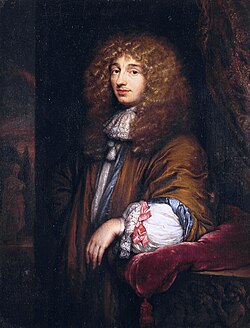 model says that every point on the wavefront creates its own wavelets.
Light is a wave. Just like water.
And Huygens’ model says that every point on the wavefront creates its own wavelets.
Light is a wave. Just like water.
And Huygens’ model says that every point on the wavefront creates its own wavelets.
The tangent to all the wavefronts is the new wavefront.
The tangent to all the wavefronts is the new wavefront.
Let’s see what happens when light travels from air into water.
As the light hits the water, each point grows a wavelet.
As the light hits the water, each point grows a wavelet.
And since the first wavelet had the most time, it creates a slant.
And since the first wavelet had the most time, it creates a slant.
That’s why refraction happens!
This is what you get at school.
But WHY is it true?
I’ll show you.
This is what you get at school.
But WHY is it true?
I’ll show you.
Light is a wave. Just like water.
Light is a wave. Just like water.
And Huygens’ model says that every point on the wavefront creates its own wavelets.
Light is a wave. Just like water.
And Huygens’ model says that every point on the wavefront creates its own wavelets.
Light is a wave. Just like water.
And Huygens’ model says that every point on the wavefront creates its own wavelets.
The tangent to all the wavefronts is the new wavefront.
The tangent to all the wavefronts is the new wavefront.
Let’s see what happens when light travels from air into water.
As the light hits the water, each point grows a wavelet.
As the light hits the water, each point grows a wavelet.
And since the first wavelet had the most time, it creates a slant.
And since the first wavelet had the most time, it creates a slant.
That’s why refraction happens!
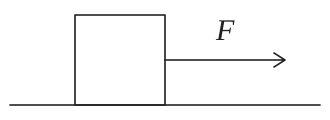
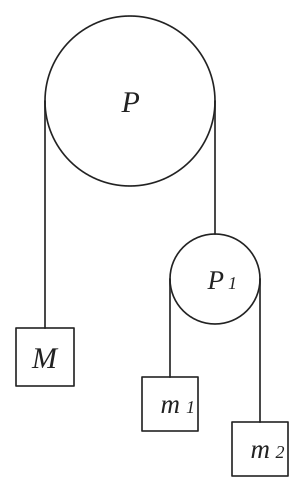
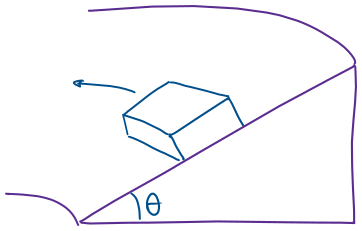
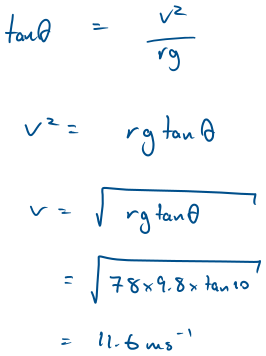
一段半径为 78 m 的弯道倾斜 10 度。摩擦系数为 0.1。
解答
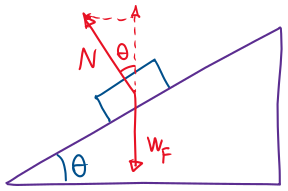
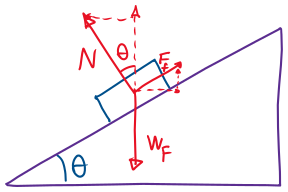
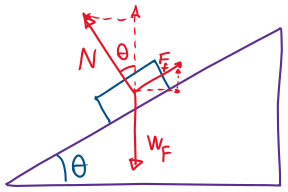
先看水平方向:合力不为零!支持力的水平分量提供向心力。
再看竖直方向:合力为零,因此支持力的竖直分量与重力平衡。
解答
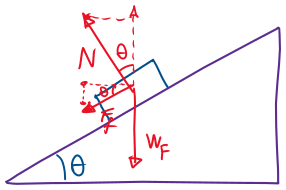
摩擦力沿斜面向上。如果车速太低,车就有向弯道内侧滑动的趋势。
竖直方向:
水平方向:
整理得:
解答
计算时,你会发现最低速度算出来是负的!
这是什么意思?
这表示没有正的最低速度。只要不超过最高速度,摩擦力就能防止汽车沿斜面下滑。即使车速是 0 米/秒,汽车也能停在弯道上,因为摩擦力足够大。这就像人可以站在倾斜的坡面上一样。
竖直方向:
水平方向:
达到最大静摩擦力时:
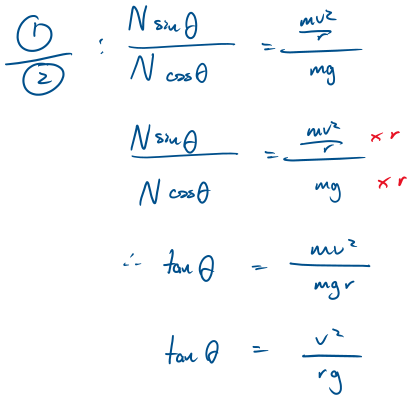
用式 (2) 除以式 (1):
由于 不可能为负,因此没有正的最低速度。
此时车有沿斜面向上滑动的趋势,所以摩擦力沿斜面向下。
竖直方向:
水平方向:
利用 ,将式 (2) 除以式 (1):
代入数值:
因此,速度范围为
Flick through the worked answers.
课上、课后或两次课程之间,随时都可以提问,也可以随时联系你的老师。
我们不提供单独的一对一课程。
每个模块的周次从第 1 周开始。 每周主题来自现有计划,目前正在按新课程大纲复核。
Distinguish scalars and vectors, then connect displacement, speed and velocity to everyday motion.
Interpret displacement, velocity and acceleration graphs and describe motion from another observer's perspective.
Apply constant-acceleration equations to harder motion problems, including objects moving under gravity.
Add and subtract vectors, resolve perpendicular components and solve motion problems in two dimensions.
Practise vector and motion questions, then introduce forces as the next step in explaining motion.
Review Newton's laws, identify the forces on an object and build useful free-body diagrams.
Work through friction and tension questions and combine forces to find the net force.
Resolve forces on slopes, include drag and analyse objects connected as a system.
Define work as energy transfer by a force and apply it to force and displacement questions.
Connect force, velocity and power, then examine changes in gravitational potential energy.
Choose a convenient zero for potential energy and solve harder gravitational and kinetic energy problems.
Introduce momentum and use collision examples to predict how interacting objects move.
Analyse collisions, objects sticking together and explosions; compare momentum and kinetic energy.
Resolve momentum in perpendicular directions and practise angled collisions and module questions. Revisit the module's harder questions and consolidate the final Dynamics practice.
每个模块的周次从第 1 周开始。 每周主题来自现有计划,目前正在按新课程大纲复核。
Compare wave types, read displacement graphs and connect wave motion to energy transfer.
Explore longitudinal waves and use wavefronts to explain reflection and diffraction.
Connect natural frequency and resonance to sound, pitch and the inverse-square relationship.
Explain sound interference and resonance, then construct standing waves in strings and pipes.
Explain refraction using changes in wave speed, then apply refractive index, Snell's law and dispersion.
Use the critical angle to explain total internal reflection and practise ray diagrams and image formation.
Compare converging and diverging lenses, trace images and revisit the earlier wave topics.
Distinguish temperature, heat and internal energy; apply calorimetry and examine phase changes.
Explain conduction, convection and radiation and apply thermal conductivity to heat-transfer questions.
Ask your tutor which topics this class will cover. Consolidate the module through revision and practice questions.
每个模块的周次从第 1 周开始。 每周主题来自现有计划,目前正在按新课程大纲复核。
Describe electric charge, compare charging methods and calculate forces between charges.
Draw electric fields and connect field strength, force and electric potential difference.
Compare uniform and non-uniform fields, examine fringe effects and use work and equipotential ideas.
Introduce current and resistance, apply Ohm's law and compare electrical power, AC and DC.
Explain current and voltage in circuits and calculate equivalent resistance and voltage drops.
Apply the junction and loop rules to determine currents and voltages in circuits.
Explore magnetic poles, Earth's field and the rules for drawing magnetic field lines.
Use moving charges to explain magnetic fields around current-carrying wires, loops and solenoids.
Use right-hand rules and force equations for moving charges and current-carrying conductors.
Review charging, fields, circuits, Kirchhoff's laws and magnetic-force directions.
每个模块的周次从第 1 周开始。
Revisit SUVAT, motion problem-solving strategies and common limiting cases. Review work, energy and momentum, including elastic and inelastic collisions. Revise wave classifications, propagation and graphs through exam-style questions. Review charging and electrical concepts alongside feedback on the preceding module paper.
Practise mixed preliminary questions, including river-boat motion and momentum. Work through a second mock paper with attention to connected-system reasoning. Practise the latest third preliminary mock paper and review your working.
然后继续 Year 12 和 HSC 备考。 查看 Year 12 课程
查看每周小班课程的费用、课程包含内容,以及适合你的课程时间。
$55/ 小时
每周 110 澳元
没有找到相近的问题。您可以浏览下方的问题,或给我们打电话。
致电 0490 496 078可以。HSC 物理课通过 Zoom 在线进行,悉尼、新州各地和澳大利亚其他地区的学生都能参加。Year 11 和 Year 12 小班包含考试练习题、详细解答和一对一导师支持。课程遵循 NSW HSC 大纲;如果你学习其他课程体系,请联系我们确认是否适合。
告诉我们你的年级、已经学过的主题,以及目前卡住的地方。我们会帮你选择合适的班级,并讨论报名之前需要补上的内容。
我们的课程按固定顺序进行。带上学校的评估安排,我们可以和课程计划对照,并讨论如何提前帮助你学习需要的主题。
加速课程从 Year 10 Term 4 Week 1 开始;常规课程从 Year 11 Term 1 Week 1 开始。两种课程遵循相同的模块顺序。告诉我们你现在的年级和物理学习经历,我们会帮你选择。
你可以在课堂上提问,也可以私下联系导师。一对一支持就是为了陪你弄懂问题,或重新梳理还没理解的概念。
Send us your year, subject and preferred class. We’ll help you find a suitable lesson. The first lesson is only charged if you want to continue, otherwise it's totally free!
我小时候也是个害羞的男孩。那时我不敢提问,怕别人怎么看我。
如果您确定需要全程一对一授课,建议找其他老师。
不过,授课形式和让孩子跟一位专家学习,哪一点对您更重要?辅导老师有很多,但有多少人取得过新州顶尖成绩?并不是每位老师都像我一样熟悉化学平衡和电磁学,知道如何讲到让学生恍然大悟,也知道他们为什么丢分、怎样改进。正因为如此,也不是人人都能取得像 Kirsten Chu 在 2022 年从 56% 提升到 91% 这样的结果。
没有人愿意在班上远远落后。供您参考,我们的学生入班时通常成绩处于平均水平或略低。学生来自选拔制中学(如 NSB、NSG、Ruse)、私立学校(如 Scots、St Patricks、Meriden),以及非选拔制中学(如 Castle Hill、Carlingford HS)。我们会在课后答疑,并提供之前主题的学习材料,帮助学生跟上进度。
课堂上遇到新主题时,我们总会从基础讲起。即使学生没学好前面的某些概念,也能理解新内容。
我们的小班课和大多数补习课不一样。我愿意单独辅导学生。学生有问题可以在课后一对一问我,或者在一周内随时联系我。如果有需要,我可以单独花一小时解答。
每周上一次课,每次两小时,通过 Zoom 在线授课。
每节课先做 10 分钟的小测验,再讲一个新概念,然后做几道题来巩固。整节课重复这个过程。临近考试时,我们会上复习课,提前发一份模拟试卷,并在课堂上讲解学生提出的难题。
我们接受银行转账,通常按学期收费。如果您决定停止上课,尚未使用的课时会全额退款。
我们强烈建议不要因为考试而缺课。时间紧张时,可以先不做作业,但最好照常来上课。如果您缺席,我们会提供全部材料和课堂录屏。缺席的课时不予退款。
请查看课程时间表,了解目前可选的上课时间。
上课。学校放假时,我们照常上课。我们不在假期安排集中强化课,因为这种安排对学生效果不好。
人数会变动,通常在 5 人左右。
请带着学习的热情,准备一支笔,最好再备一本专用笔记本。其余资料会发给您。
学生考得不理想,主要是因为没有掌握核心概念。跟我们学过课程内容之后,大多数学生就不会再遇到这个问题。有了扎实的基础,我们会每周布置考试题型的作业,让学生每周都有应试练习。
临近考试时,我们还会开放内部收集的学校历年试卷供学生练习。这是很好的备考材料。考前我们也会在课堂上讲解应试技巧。
加速班通常会在 12 年级模拟考试(第 3 学期第 2 周)前一个学期讲完全部内容。这样考前大约有 7 周复习时间,考后大约有 10 周准备 HSC。我们会每周安排一次模块测试,逐个复习各模块,然后做模拟试卷。
按学校进度授课的班级与学校同步,因此大约会留出 6 周复习 HSC。
依次讲解模块 1、2、3、4、5、6、7 和 8。
有些学校会调整教学顺序。根据我的经验,这没有问题,因为到考试时会学完相同的内容。即使和学校的进度不完全同步,最重要的还是学生确实学到了东西。
学生刚来时通常成绩处于平均水平或略低。他们来自选拔制中学(如 NSB、NSG、Ruse)、私立学校(如 Scots、St Patricks、Meriden),以及非选拔制中学(如 Castle Hill、Carlingford HS)。
能否进步不取决于你有多聪明。决定你能否在课程中取得进步,最重要的是你愿不愿意下功夫。像 Jade Yang 和 Kirsten Chu 这些进步明显的学生,每周在物理和化学上投入 10 小时以上。我们会让过程更容易。只要完成所有作业(应试练习),并参加每一节课,你就会进步。
问题是,你愿意做到吗?
可以。课程在线进行,无论您在悉尼、纽卡斯尔、卧龙岗、新州其他地区,还是澳大利亚其他地方,都可以参加,无需前往补习中心。
物理和化学课程针对新州 HSC。如果您学习其他州的教学大纲或其他课程体系,请联系我们,告诉我们年级和正在学习的主题,以便讨论课程是否合适。在线授课的范围有别于课程大纲的覆盖范围。
还有其他问题吗?
致电 0490 496 078