
Do Employers Care About Your ATAR? What School Leavers Need to Know
Most employers don't require an ATAR, but some competitive cadetships and school-leaver programs do. Learn when employers consider your ATAR, what qualifications to provide, and how to strengthen your job application without relying on academic results.
Imagine you’re filling in two job applications after Year 12.
The first asks when you’re available to work, whether you’ve served customers before, and how you handle working in a team. The second asks for your predicted ATAR, Year 11 results, and a reference from your school.
Both are applications for school leavers. But they care about very different things.
So, do employers care about your ATAR? Usually, no. Most ordinary entry-level jobs don’t use your ATAR as a standard hiring requirement. However, some competitive school-leaver programs, cadetships, and graduate pathways do consider academic results, and some specifically ask for an ATAR.
The important thing is knowing which type of application you’re completing, what information the employer actually wants, and how to present your qualifications honestly.

Due to technical limitations, this figure may display incorrectly or contain inaccuracies. Please check key details against your course materials.
01First, what does your ATAR actually tell an employer?
Before deciding whether to include your ATAR on a resume, it’s worth understanding what it represents.
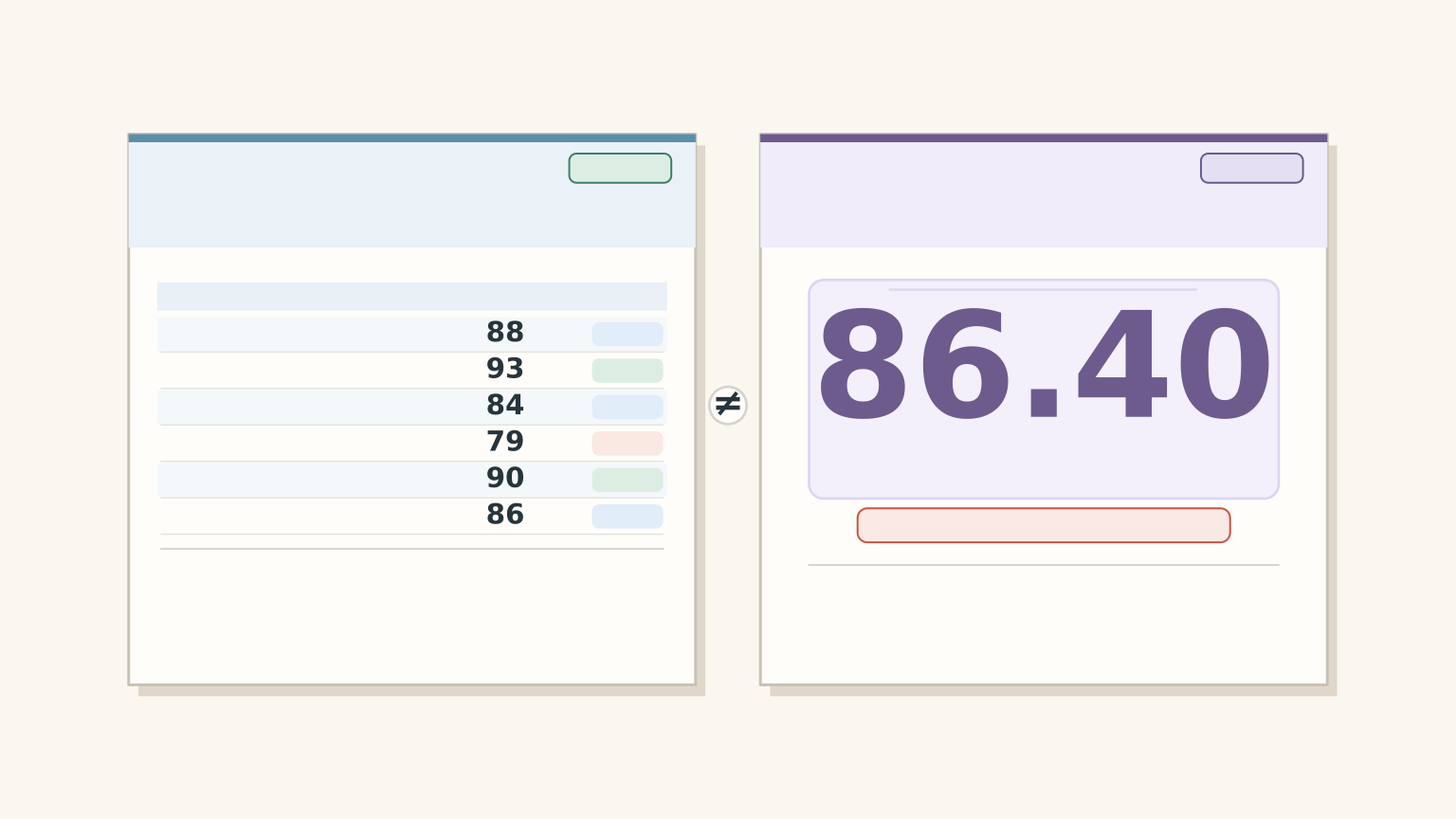
The Australian Tertiary Admission Rank (ATAR) is a number between 0.00 and 99.95 that indicates your academic position relative to other people in your age group.
It is a rank, not a mark or percentage.
For example, an ATAR of 85.00 indicates that you are positioned above approximately 85% of your age group in the relevant ranking. It does not mean you scored 85% in your HSC exams.
Your ATAR and your HSC results are also two different things.
| HSC results | ATAR |
|---|---|
| Show your achievement in individual HSC courses | Shows your overall relative academic ranking |
| Include course marks and performance bands | Is expressed as a numerical rank |
| Issued by NESA | Calculated and issued by UAC |
| Reflect your performance against course standards | Reflects your position relative to other students |
The distinction matters when applying for jobs.
An employer asking for your HSC results is not necessarily asking for your ATAR. Likewise, an employer asking for your ATAR isn’t asking you to calculate an average of your HSC marks.
The NSW Department of Education’s explanation of HSC marks and the ATAR explains that the ATAR is designed to help universities select applicants for their courses.
That is its main purpose. It isn’t a general measure of your employability.
Due to technical limitations, this figure may display incorrectly or contain inaccuracies. Please check key details against your course materials.
02When do employers actually care about your ATAR?
The answer depends on the type of job you’re applying for.
Some employers want to know whether you can communicate with customers, turn up on time, and learn new tasks. Others are recruiting students into highly competitive programs where academic performance is one of their selection criteria.
Here are the main situations to understand.
1. Casual and part-time jobs
Think about jobs in:
- Retail and supermarkets
- Cafes and restaurants
- Hospitality
- Customer service
- Administration
- General entry-level positions
For these jobs, your ATAR is unlikely to be the main consideration.
An employer is more likely to be interested in whether you:
- Can communicate clearly with customers and colleagues.
- Are reliable and punctual.
- Can work the required shifts.
- Have relevant experience, even if it’s informal.
- Can work independently and as part of a team.
- Are willing to learn new tasks.
Imagine you’re applying for a weekend position at a cafe.
You have an ATAR of 92.00, but no customer service experience. Another applicant has an ATAR of 68.00 and has worked in hospitality for six months.
Who is the stronger applicant?
There isn’t enough information to decide automatically. The second applicant has relevant experience, but the first might demonstrate stronger communication skills, availability, or willingness to learn.
The point is that an ATAR doesn’t answer the questions the employer needs answered.
For a job like this, your availability, relevant experience, and examples of responsibility will usually be more useful than putting your ATAR at the top of your resume.
2. Apprenticeships and traineeships
Apprenticeships and traineeships are another common pathway from school into employment.
They combine paid work with formal training towards an industry-recognised qualification.
For example, you might pursue an apprenticeship in electrical work, construction, automotive mechanics, or engineering. Alternatively, you could complete a traineeship in business, hospitality, information technology, or financial services.
In these applications, employers are often interested in your practical interest in the occupation and your willingness to commit to learning the job.
The NSW Government’s guide for employers hiring apprentices and trainees specifically recommends considering:
- Whether candidates are motivated to succeed in their training.
- Whether they would adjust to the workplace.
- Whether they understand the work involved.
- Whether they have experience in similar activities.
An ATAR isn’t listed among these suggested selection considerations.
That doesn’t mean an employer can never ask for academic results. Individual apprenticeship and traineeship requirements vary. However, you shouldn’t assume that a high ATAR is necessary to start a trade or vocational career.
It’s also worth remembering that some school-based apprenticeships and traineeships can contribute towards your ATAR while you’re completing the HSC. You can read more about these pathways through the NSW Department of Education’s school-based apprenticeship and traineeship information.
3. Competitive school-leaver programs and cadetships
This is where your ATAR can become much more important.
Some employers run structured programs specifically for students who have recently finished Year 12.
These can include:
- Corporate cadetships
- Finance and banking programs
- Government school-leaver programs
- Engineering and technology pathways
- Competitive scholarship-linked employment opportunities
Some programs use academic results to assess applicants, particularly when they have limited employment experience.
A recent example is the UBS Australia Cadetship Program.
Its published Sydney cadetship application criteria included a predicted ATAR of 85 or above. Applicants were also required to provide Year 11 end-of-year academic results and a school reference form containing their predicted ATAR.
However, academic performance wasn’t the only consideration. UBS also listed communication, problem-solving, teamwork, resilience, work experience, and accountability among the qualities it wanted to see.
The page listed an application deadline of 31 July 2026, which has passed as at 15 November 2026. It is a useful example of how a specific cadetship can use ATAR requirements, not an indication that applications are currently open or that every finance employer uses the same criteria.
You can check the requirements directly on the UBS Australia Cadetship Program page.
The lesson is simple: if you’re applying for a competitive school-leaver program, read the academic requirements carefully. A predicted or final ATAR may form part of the selection process.
4. Government school-leaver programs
Government employment programs provide another useful example of why you shouldn’t assume every school-leaver application uses ATAR.
The Australian Government Career Starter Program provides an entry pathway into the Australian Public Service.
Its published eligibility criteria for students completing Year 12 in 2026 require a Year 12 certificate or equivalent, alongside citizenship and other requirements.
The application asks candidates to provide their Year 12 results (or equivalent) and a resume. Its published suitability criteria also emphasise communication, teamwork, critical thinking, and problem-solving.
Importantly, the published eligibility criteria do not specify a minimum ATAR.
Shortlisted applicants also undertake a video interview and group assessment.
This is an important distinction: an employer can ask for your school results without requiring a particular ATAR.
You can check the Australian Government Career Starter Program’s eligibility and application requirements.
03How should you decide whether to include your ATAR?
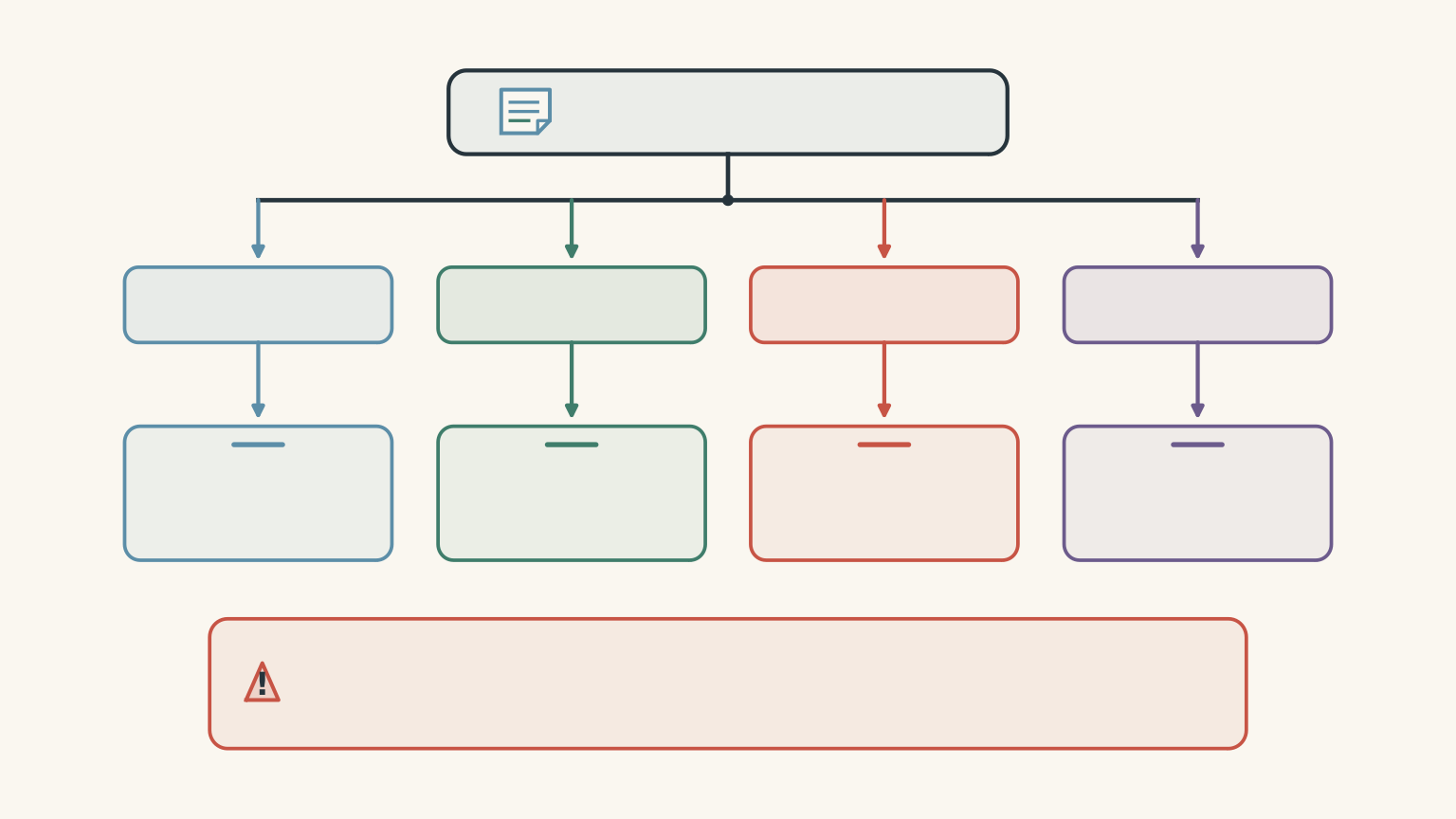
Rather than guessing what an employer wants, use the wording of the job advertisement and application form.
Here’s a practical decision guide.
Due to technical limitations, this figure may display incorrectly or contain inaccuracies. Please check key details against your course materials.
If the application specifically asks for your ATAR
Provide your official ATAR if you have received one.
If the application asks for a predicted ATAR, make sure you clearly identify it as predicted. Don’t present an estimate as your final result.
Some programs require your school or careers adviser to verify the prediction. Follow the employer’s instructions rather than making up your own estimate.
If the application asks for your HSC results
Provide your actual HSC results.
For NSW students, these are available through NESA’s Students Online service. Your Record of Achievement provides information about your completed courses and results.
Don’t substitute your ATAR for your HSC results. They are different records.
If the application asks for your highest qualification
List your completed qualification accurately.
For example:
- Higher School Certificate (HSC), NSW.
- Certificate III in Business.
- Certificate II in Construction Pathways.
If you’re still completing Year 12, state that your HSC is in progress and give your expected completion year.
If the application doesn’t ask for your ATAR
You generally don’t need to include it.
Use the available space to show why you’re suitable for the position.
For example, a student applying for a retail position might include:
- Previous customer service experience.
- Volunteer work.
- Team sport or club involvement.
- Leadership responsibilities.
- Availability to work weekends.
- Relevant training or certificates.
These details give an employer evidence of what you can contribute.
A high ATAR can be worth mentioning when academic performance is relevant to the position, but it shouldn’t replace more useful evidence.
04What if you don’t have an ATAR?
Not every NSW HSC student receives an ATAR.
Eligibility depends on completing a prescribed pattern of HSC courses. Receiving an ATAR is also optional.
NESA explains these requirements in its information about understanding HSC results.
This means you can successfully complete your HSC without receiving an ATAR.
It also means that not having an ATAR is not the same as having an ATAR of zero.
If an employer asks for your ATAR and you haven’t received one:
- Write “Not applicable” or “Not issued” if the application allows it.
- If you were eligible but chose not to request an ATAR, explain that accurately.
- Provide your HSC results if the employer requests them.
- If the ATAR field is mandatory, contact the employer and ask what alternative documentation they accept.
Don’t invent an ATAR or calculate your own equivalent using HSC marks.
What if you completed a different Year 12 qualification?
If you completed an overseas senior secondary qualification or another Australian Year 12 qualification, use its actual name.
For example, an International Baccalaureate Diploma is not an NSW HSC. Similarly, an overseas school qualification should not be relabelled as an Australian qualification.
If an application asks for a Year 12 certificate or equivalent:
- State the exact name of your qualification.
- Identify the country or education system.
- Provide your official results or transcript.
- Follow the employer’s instructions about equivalency.
If the application specifically asks for an ATAR, but your qualification does not provide one, contact the employer rather than inventing an ATAR conversion.
05How to strengthen your job application without relying on your ATAR
If your ATAR isn’t particularly high, or you don’t have one, you still have plenty of ways to demonstrate your suitability.
The trick is to stop relying on general statements and start giving employers evidence.
Consider the difference between these two resume statements:
Weak: I’m a hardworking person with good communication skills.
Stronger: I have experience working in a team through school sport and volunteering, where I regularly communicated with others, organised tasks, and met deadlines.
The second statement gives the employer something more concrete to assess.
Here are some useful areas to consider.
| What employers value | Evidence you could include |
|---|---|
| Communication | Customer service, presentations, volunteering |
| Teamwork | Group projects, sport, clubs, workplace experience |
| Leadership | Coaching, mentoring, organising school activities |
| Reliability | Regular work commitments, meeting deadlines, attendance responsibilities |
| Problem-solving | Practical projects, technical activities, resolving customer issues |
| Initiative | Independent projects, volunteering, learning new skills |
You don’t need to have held a formal job to demonstrate these qualities.
School activities, community involvement, personal projects, and responsibilities outside school can all provide relevant examples.
The important thing is to describe what you actually did, rather than simply listing qualities you think an employer wants to hear.
06Questions and solutions
Question 1
You’ve completed your NSW HSC, but you didn’t request an ATAR because you weren’t planning to attend university immediately.
You’re applying for a government school-leaver program that requests your Year 12 results and resume.
Should you enter an estimated ATAR instead of providing your HSC results?
Solution 1
No. You should provide your actual HSC results and resume, not an estimated ATAR.
The application specifically requests Year 12 results, which are available through NESA. An ATAR is a separate ranking calculated by UAC, and it isn’t a substitute for your course results.
The Australian Government Career Starter Program is an example of a program that requests Year 12 results or equivalent without specifying a minimum ATAR in its published eligibility criteria.
If another employer specifically requests an ATAR, explain that you did not request one and ask whether your HSC results are acceptable instead.
Question 2
You completed an International Baccalaureate Diploma overseas and are applying for a school-leaver position in Australia.
The employer’s application asks for your HSC or equivalent qualification and your ATAR.
You have your official diploma and results, but you were never issued an Australian ATAR.
How should you complete the application?
Solution 2
List your International Baccalaureate Diploma by its correct name, identify the country in which you completed it, and provide your official results.
Do not describe the qualification as an NSW HSC or invent an ATAR equivalent.
The phrase “or equivalent” means the employer may accept other recognised senior secondary qualifications. It does not mean that every qualification automatically has an Australian ATAR equivalent.
For the ATAR field, indicate that no Australian ATAR was issued if the form permits. If the field is mandatory, contact the recruiter and ask how they assess applicants with international qualifications.
Accuracy is more useful than trying to make two different education systems look identical.
07What should you take away?
Your ATAR can matter to certain employers, particularly when applying for competitive school-leaver programs and cadetships. However, it isn’t a universal employment requirement, and most ordinary entry-level jobs have other priorities.
Before submitting an application, identify which pathway you’re pursuing:
- Direct employment: Lead with availability, reliability, relevant experience, and practical skills.
- Apprenticeship or traineeship: Demonstrate your interest in the occupation, workplace readiness, and willingness to learn.
- Competitive cadetship or school-leaver program: Check whether academic results or a predicted ATAR are specifically required, and provide the requested evidence accurately.
Once you’ve identified the pathway, your next task is to build a resume around the evidence that matters for that particular role. Your HSC results are one part of your education history, not a complete summary of what you can offer an employer.