
About tutorgum
Why I started tutorgum

I’m Bob Chen. In Year 10, I’d memorise the formulas, do the practice questions, and still sit in the exam guessing which formula to use. By Year 12, I came first in Physics at my school. What changed was the way I studied.
When I started tutoring, I saw students get stuck in the same place. They could solve a familiar question. Change one detail and they’d freeze. I started tutorgum to help students understand why things work, so they could reason through a question they’d never seen.
Why? Why? Why?
I realised the best way for me to learn Physics was to keep asking why. At least five times.
That’s how I started teaching. Take the first answer and ask why it’s true. Then ask again. Keep going until you can explain what’s happening and use that explanation on a question you haven’t seen before.
Understand. Don’t just memorise.
One coil. One iron rod.
Skip to the written explanation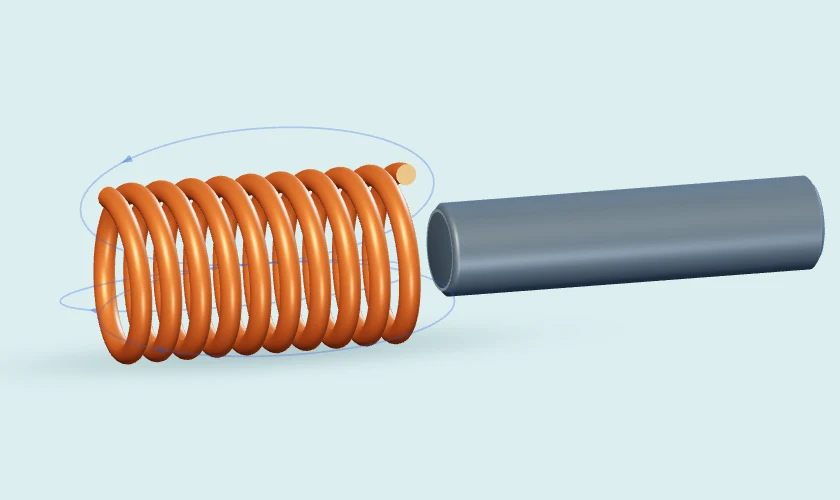
Read the electromagnet explanation
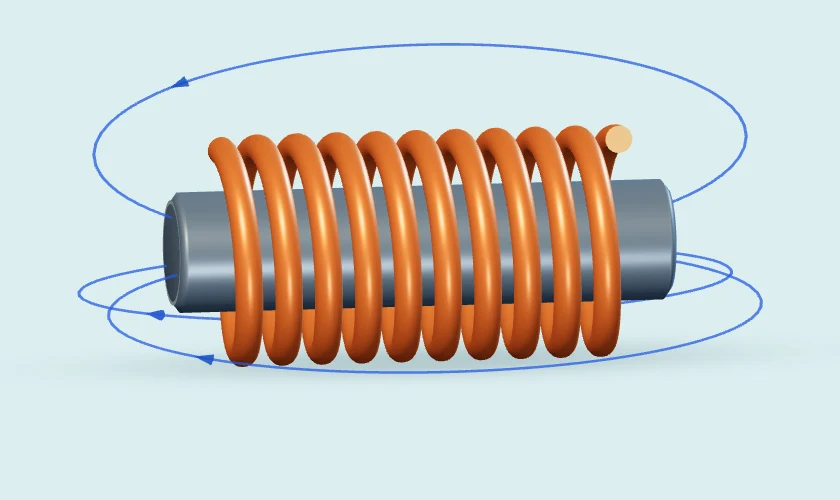
Keep the current through a coil the same. Slide an iron rod into the middle and the electromagnet gets stronger.
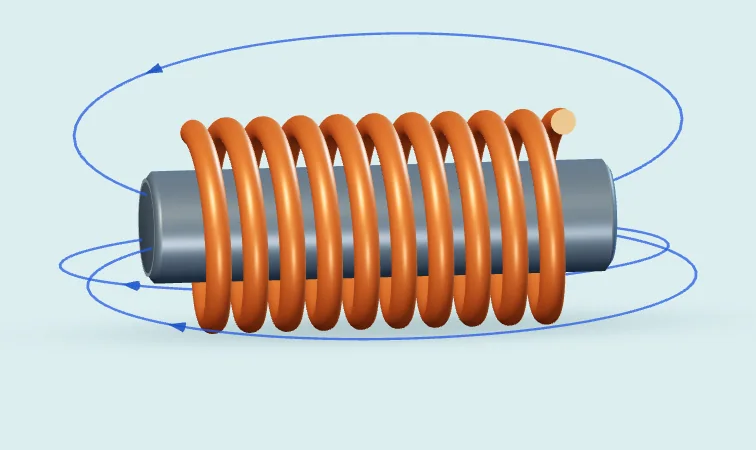
Why does adding an iron rod make the electromagnet stronger?
The coil magnetises the iron. The iron’s field adds to the field the coil already produces.
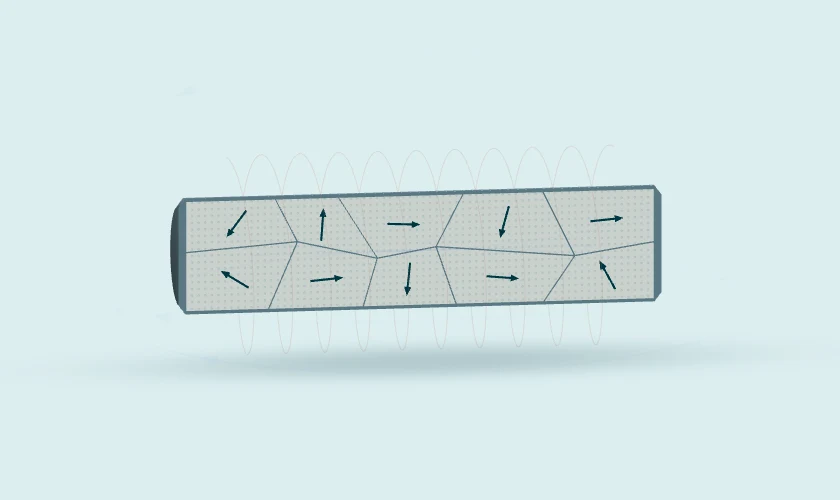
Why does the iron become magnetised?
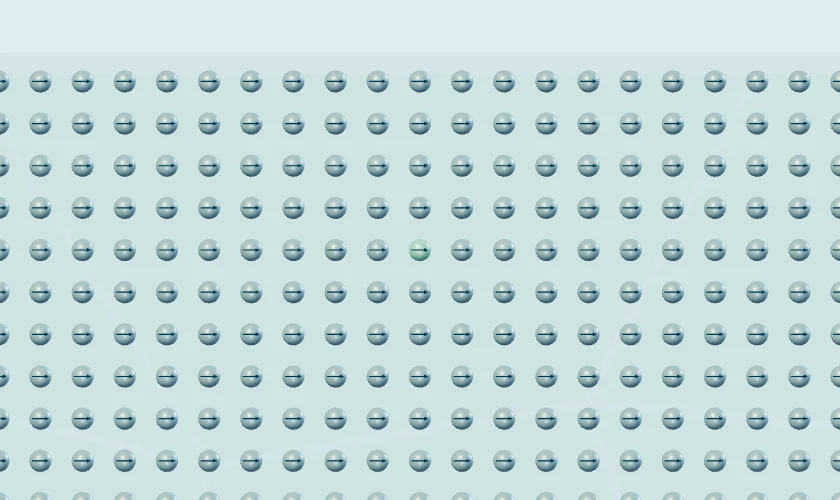
Iron contains magnetic domains, regions that each act like a tiny magnet. In an unmagnetised rod, they point in different directions and their effects mostly cancel. When the coil is switched on, domains pointing along its field grow at the expense of others.
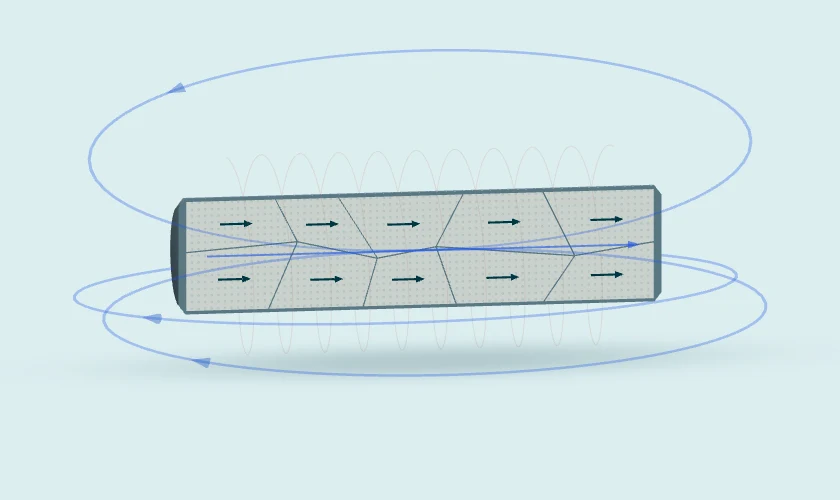
Why do the domains pointing along the field grow?
They have lower energy in the coil’s field. The boundaries between domains can move, giving those lower-energy regions more space.
The animation shows the domains rotating to align with the field. In real iron, their boundaries can also move.
Why is each domain magnetic in the first place?
Within a domain, neighbouring iron atoms’ magnetic moments point the same way, so they add together. Those moments come mainly from electron spin.
Why do atoms have a spin?
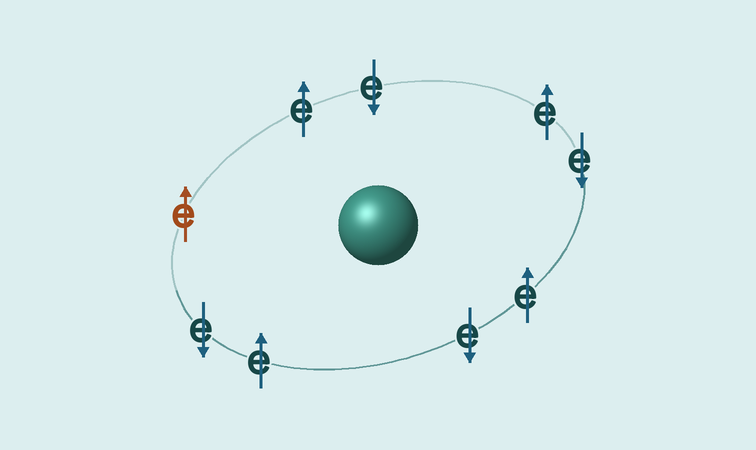
Electrons have an intrinsic quantum property called spin. When two electrons pair up, their opposite spins cancel. Iron has unpaired electrons, so some of that spin remains when you add up the contributions from all its electrons.
The illustration uses nine electrons to show how pairing works. An isolated iron atom has four unpaired electrons in its 3d subshell. What does it actually mean for an electron to have spin?
Back to the coil
The coil’s field favours domains pointing the same way. The iron’s field then adds to the coil’s, even though the current stays the same.
Meet the team
When you’re stuck, our tutors can work through your reasoning with you, one question at a time.
Meet all our tutors


Contact us
Questions about a class or where to start? Get in touch.
- Call
- 0490 496 078
- Text
- 0490 496 078
- hello@tutorgum.com